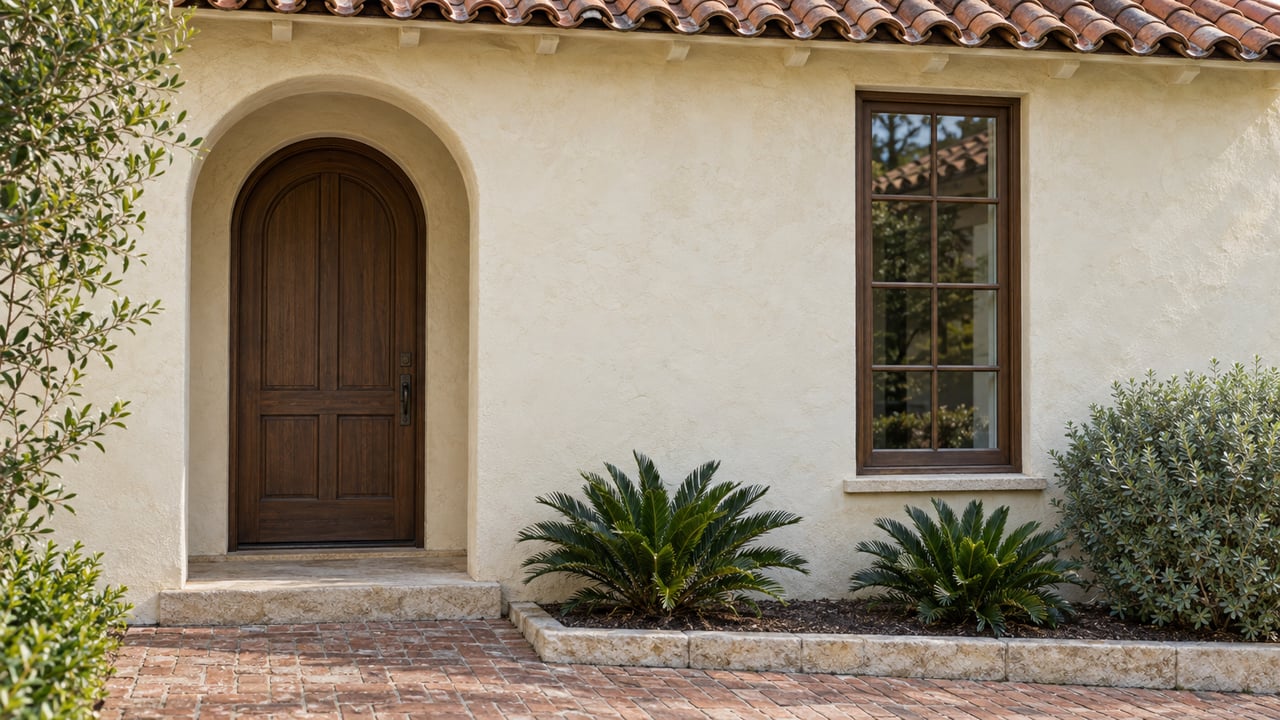
What Delray Beach's Historic Districts Actually Let You Change, and What They Don't
October 1, 2026
October 1, 2026
Does a house sitting inside one of Delray Beach's five historic districts come with a rulebook, or does it come with five different rulebooks depending on which one you're standing in? Most buyers treat "historic district" as a single category, a box the listing checks that means charm on one side and paperwork on the other. That framing misses the part that actually matters once you're past the walkthrough and into renovation plans: the constraint you inherit is not generic. It is specific to the district, specific to the individual structure's status within that district, and narrower in scope than most buyers assume.
Delray Beach recognizes five local historic districts: Del-Ida Park, the Marina District, Nassau Park, West Settlers, and the Old School Square Historic Arts District. Each falls under the same city ordinance, adopted in March 1987, and the same seven-member Historic Preservation Board appointed by the City Commission. But the ordinance doesn't tell you what you can build. The district does.
The city's process runs on something called a Certificate of Appropriateness, or COA, and the scope of what it governs is narrower than the phrase "historic district" implies. According to the city's own historic preservation guidance, general maintenance and interior alterations are left entirely to the property owner's discretion. No board review, no application, no waiting period. Paint your kitchen, redo your bathrooms, reconfigure a closet. None of it triggers the process.
What does trigger a COA: exterior alterations or additions to a designated historic structure or to any property located within one of the five districts, plus demolition of a structure, whether that structure is classified as "contributing" to the district's historic character or not, plus relocation of a building on or off its site. Even something as small as changing an exterior paint color requires review, along with a Building Materials and Color Sample Form, according to the city's historic preservation FAQ.
That distinction, interior freedom paired with exterior review, is the first thing a buyer needs to internalize. A historic-district address does not mean a frozen house. It means a house where the outside is a shared decision between you and a board, for as long as you own it.
Where this gets specific, and where a generic "historic Delray" conversation stops being useful, is in what each district's board is actually trained to protect.
| District | Character the city documents | National Register status |
|---|---|---|
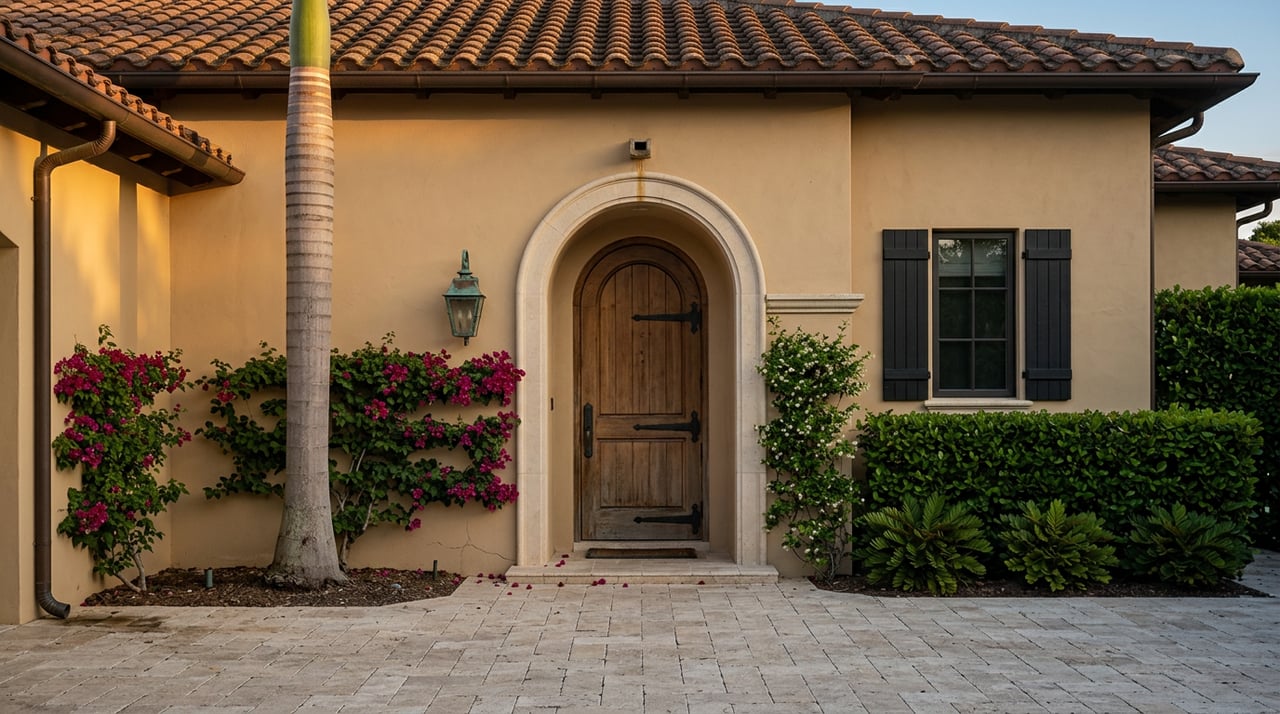
| Del-Ida Park | One of the city's earliest planned communities; Mediterranean and Mission Revival homes alongside Bungalows, Craftsman Cottages, and Frame Vernacular construction | Local Register |
| Marina District | Developed mainly between 1922 and 1943 near the ocean and Intracoastal; Mediterranean and Mission Revival through Monterey, Florida Cottage, and Art Moderne styles | Also listed on the National Register |
| Old School Square Historic Arts District | The city's early civic core, anchored by the Old School Square cultural center | Also listed on the National Register |
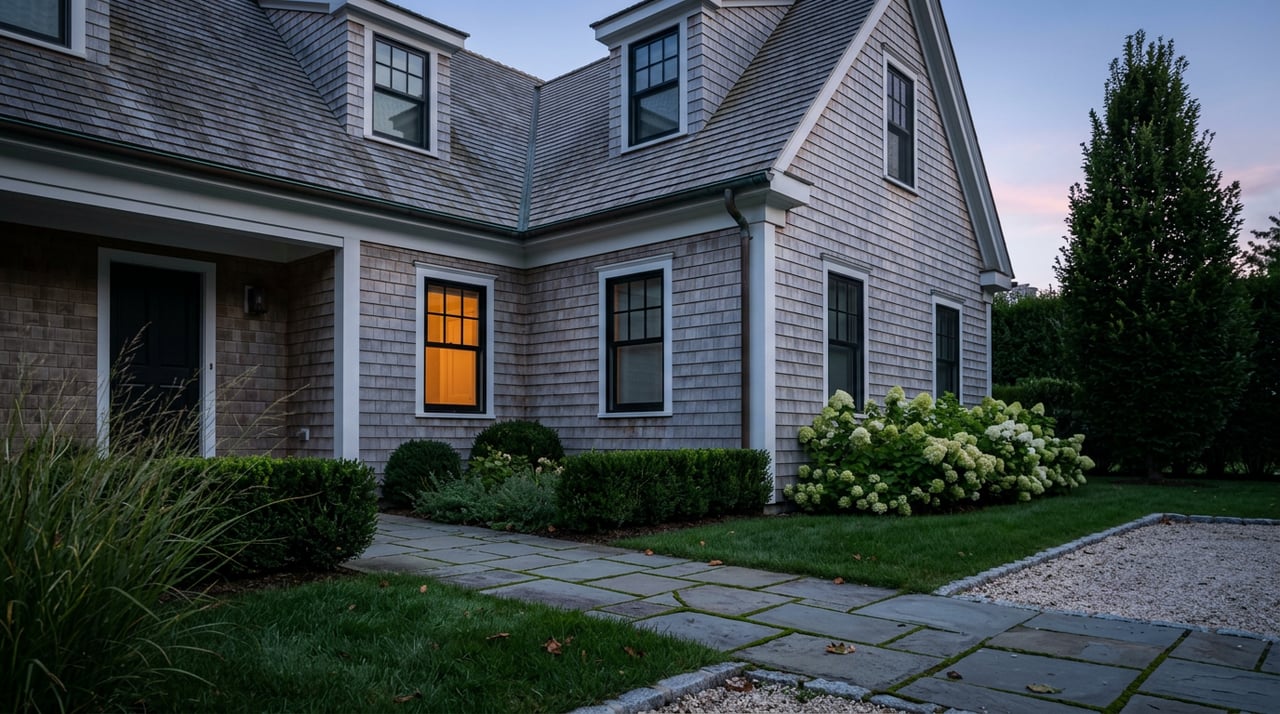
| Nassau Park | The city's first planned residential development south of Atlantic Avenue; Cape Cod Revival and Minimal Traditional homes from the 1930s and early 1940s | Local Register |
| West Settlers | One of the five designated local historic districts | Local Register |
A Certificate of Appropriateness in Nassau Park is being evaluated against Cape Cod Revival and Minimal Traditional precedent. A COA in Del-Ida Park is being evaluated against Mediterranean and Mission Revival precedent, with bungalows and Craftsman cottages in the mix. The same rear addition, the same window swap, the same roofline change can read as consistent in one district and inconsistent in another, because the board isn't applying one static rulebook. It's applying whatever the historic fabric of that specific district actually looks like.
This shows up in real board decisions. In a 2021 Historic Preservation Board case involving a property on SE 7th Avenue in the Marina District, board members debated the roof material down to the color, pushing for a white cement tile roof instead of the charcoal gray the applicant had proposed, because the lighter tile better matched the district's documented character. That is the level of granularity a buyer should expect once a renovation involves the exterior, and it is district-specific granularity, not citywide boilerplate.
Before a buyer gets to district character, there's a more basic status check that often gets skipped: whether the specific house is classified as a "contributing" structure to its district or a "non-contributing" one.
That distinction surfaces in the city's own board minutes. A 2021 case involving a property on Dixie Boulevard in the Del-Ida Park Historic District centered on a Historic Property Ad Valorem Tax Exemption request tied to additions and alterations made to what the file specifically describes as a contributing structure. Contributing status is what unlocks that tax exemption path. It's also generally what invites the closest design scrutiny, since the property is understood to be part of what makes the district's architectural record intact.
A non-contributing structure sitting inside the same district boundary is still subject to COA review for exterior work and still requires COA approval before demolition, per the city's regulations, but the design conversation around it tends to carry less weight, since there's no original historic fabric on that particular lot to protect.
The practical takeaway: two houses on the same historic-district block can carry meaningfully different renovation latitude, and the difference isn't visible from the street. It's a classification decision that already exists in city records before you ever write an offer.
The city notes that COA requests are reviewed either by the full Historic Preservation Board or by city Historic Preservation Division staff directly, depending on the scope of the work. Smaller items, a color change, a straightforward like-for-like repair, can move through staff review. Additions, new construction, demolition, and relocation requests go to the full board, which meets on a set schedule rather than on demand.
That board-level path is where renovation timelines stretch. If you're under contract on a historic-district property with renovation plans that involve anything structural or visible from the exterior, the realistic move is to confirm early whether your project falls into staff-level or board-level review, since the difference changes how far in advance you need to plan before a shovel goes in the ground.
The incentive side is real too. The city's historic property ad valorem tax exemption is designed to encourage preservation and rehabilitation of properties that are historically significant, and it's available to owner-occupied residences and income-producing properties that contribute to a historic district or are individually listed on the Local Register of Historic Places. It isn't automatic. It has to be requested, documented, and tied to specific improvements, but for a buyer planning a sympathetic renovation of a contributing structure, it's a financial offset worth building into the numbers from the start.
A few checks, done before contract rather than after, save the most friction later.
Does buying in a historic district mean I need approval to renovate my kitchen? No. The city's guidance is direct on this point: general maintenance and interior alterations are left to the owner's discretion. The Certificate of Appropriateness process applies to exterior work.
Can a non-contributing structure inside a historic district be torn down more easily? Not without review. Demolition of any structure within a historic district, contributing or non-contributing, requires an approved Certificate of Appropriateness, and a demolition permit cannot be issued until that approval is in hand along with a plan for what replaces it.
Is the Old School Square district treated the same way as Del-Ida Park? Both fall under the same city ordinance and the same board, but Old School Square is also listed on the National Register, alongside the Marina District. The Local Register process for a COA is the same, but National Register status opens the door to separate federal rehabilitation tax credit conversations for eligible, non-owner-occupied properties.
A house in a historic district isn't a harder purchase. It's a purchase with a second layer of decision-making built into the deed, one that rewards buyers who understand the specific district and the specific structure before they fall in love with a renovation plan the board was never going to approve.
If you're evaluating a property inside one of Delray Beach's historic districts and want a clear read on what its contributing status and district guidelines mean for your plans before you write an offer, Adam Levitt can walk through the specifics with you.
Stay up to date on the latest real estate trends.




He navigates the highly dynamic and competitive real estate market to offer luxury home buyers and sellers a seamless and stress-free experience in their endeavor to realize their set out real estate goals.