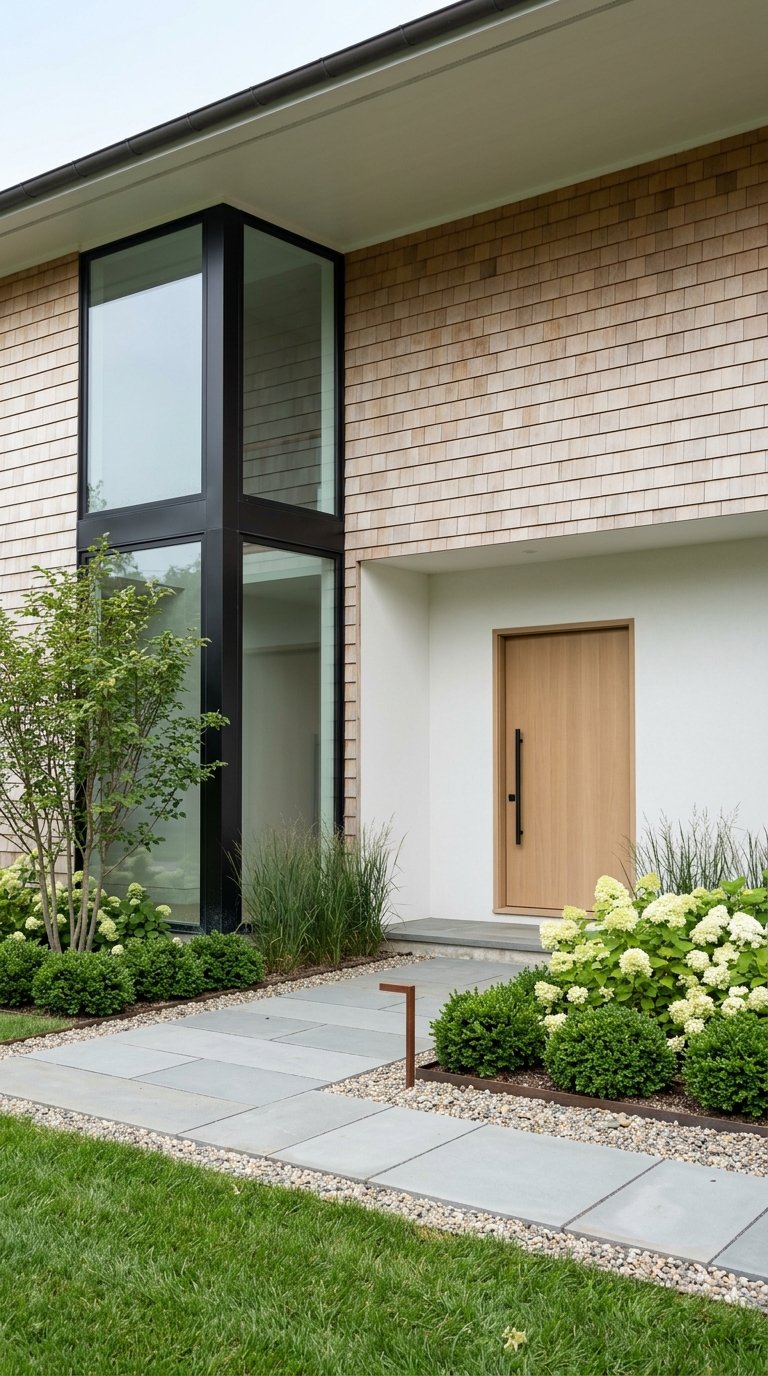
A Smart Guide for Bridgehampton & Palm Beach Buyers
April 16, 2026
April 16, 2026
Thinking about adding Bridgehampton to your portfolio while you already own in South Florida? It can be a smart lifestyle move, but it is rarely a simple one. When you own in two premium seasonal markets, the real question is not just whether you can buy, but how the numbers, timing, taxes, and usage plan fit together. This guide will help you think through Bridgehampton as a second-home purchase from a South Florida owner’s perspective. Let’s dive in.
Bridgehampton is not just another Northeast suburb. It sits within Southampton Town on Suffolk County’s South Fork, and current data supports the idea that it functions as a luxury seasonal market more than a broad commuter market, according to Southampton Town’s Bridgehampton overview.
That matters if you already own in South Florida. In the Douglas Elliman and Miller Samuel Q4 2025 Hamptons report referenced by Southampton Town, the Hamptons median sales price was $2.3375 million, while Bridgehampton’s median sales price was $6.99 million. The same data showed 16 sales, 57 listings, and 10.7 months of supply.
For you, that points to a market with a high cost of entry and a lower-liquidity profile than many Florida segments. In practical terms, Bridgehampton often makes the most sense when you are comfortable holding the asset across multiple seasons rather than expecting quick turnover.
If you already own in South Florida, one of the biggest adjustments is transaction friction. New York simply comes with costs that many Florida owners are not used to seeing in the same way.
According to the New York State Department of Taxation and Finance, New York charges a state transfer tax of $2 per $500 of consideration. Residential purchases at $1 million or more also trigger a 1% mansion tax. If you finance the purchase in Suffolk County, which is inside the Metropolitan Commuter Transportation District, the mortgage recording tax table lists a total rate of $1.05 per $100 of mortgage debt.
That means your acquisition math should include more than purchase price, insurance, and annual property taxes. You should budget for transfer-related taxes and financing-related taxes from the start so the full cost basis is clear before you make an offer.
This is where many dual-market buyers need to slow down. The tax treatment on your Florida home and your New York home should not be treated as interchangeable.
New York’s STAR credit is generally aimed at buyers who use the property as their primary residence, so a Bridgehampton second home should usually be modeled without assuming that benefit, according to New York tax guidance. On the Florida side, Palm Beach County Property Appraiser guidance states that the homestead exemption is for permanent Florida residents using the property as a permanent residence.
Florida also limits how this works. Florida Department of Revenue rules state that no individual is entitled to more than one homestead exemption. Palm Beach County further notes that homestead applicants must not be receiving other residency-based benefits elsewhere.
For most buyers, that means one property is the legal primary residence and the other should be underwritten at full carrying cost. Bridgehampton is usually best viewed as a complementary seasonal asset, not a duplicate of your Florida tax structure.
If you are weighing the purchase at a portfolio level, this side-by-side view can help.
| Topic | Bridgehampton / New York | South Florida / Palm Beach County |
|---|---|---|
| Market role | Seasonal luxury market | Seasonal and full-time ownership market |
| Purchase friction | State transfer tax, mansion tax, possible mortgage recording tax | Different tax structure than New York |
| Primary residence benefit | STAR generally tied to primary residence | Homestead exemption for permanent residence |
| Rental rules | Permit required, 14-day minimum stay | Tax registration and monthly filing for transient rentals |
| Best planning approach | Model as a long-term seasonal hold | Separate analysis based on homestead and rental use |
The main takeaway is simple. These two homes may support one lifestyle, but they should be analyzed as two separate financial and compliance frameworks.
A lot of second-home buyers ask whether they can offset carrying costs with rentals. In Bridgehampton, the answer is potentially yes, but only if you plan around local rules from day one.
According to Southampton Town’s rental FAQ, any home being rented must have a rental permit. The minimum stay is 14 days, and rentals under 14 days are considered transient and are not allowed.
That alone changes the strategy for buyers who assume they can operate a flexible short-term rental model. Southampton Town also states that permits last two years, are non-transferable, and advertising a property without a permit can lead to violations or even a two-year loss of rental ability.
Timing matters just as much as the rulebook. Southampton Town says permit processing usually takes 1 to 3 weeks, but can stretch to 2 to 4 weeks during the busy summer season.
If part of your Bridgehampton plan involves renting, due diligence should happen well before peak summer demand. That includes confirming the permit path, understanding occupancy rules, and making sure your expected timing matches how the town actually processes applications.
If your South Florida property is also part of your income strategy, do not blend those assumptions into your Bridgehampton analysis. Palm Beach County has its own compliance structure.
According to the Palm Beach County Tax Collector, transient rentals of 6 months or less are subject to a 6% Tourist Development Tax plus 6.5% state sales tax. Hosts must register a TDT account, obtain the proper local business tax receipt, and file returns monthly.
That means rental income on your Florida property and rental income on your Bridgehampton property should be modeled as separate operating plans. Different tax treatment, different timelines, and different administrative burdens can have a real effect on net results.
When you own in South Florida and are considering Bridgehampton, timing can be a strategic advantage. These markets often peak in different seasons, which can help you stage your search and your due diligence more efficiently.
The Hamptons Visitors Council listing on I Love NY supports the idea that the Hamptons are a tourism-driven destination, and the research also notes that Discover Long Island has highlighted summer promotions for the region. That aligns with Southampton Town’s note that rental permit processing can slow during the summer.
On the Florida side, official tourism and cultural sources described in the research point to winter as the high season, and the Palm Beach County Sports Commission’s Winter Equestrian Festival runs from January 1 to March 30, 2025. For you, that creates a practical planning framework.
A more efficient approach often looks like this:
This kind of calendar-based planning can reduce friction. It also helps you make decisions with better visibility into both markets at once.
If you already own in South Florida, buying in Bridgehampton should be less about impulse and more about fit. The strongest purchase decisions usually come from understanding how this property will function within your broader lifestyle and balance sheet.
Ask yourself a few direct questions:
These are not small details. They shape what you can pay, how you should structure the purchase, and what success looks like after closing.
Buying in Bridgehampton while you already own in South Florida is not just a location decision. It is a cross-jurisdiction decision with tax, timing, valuation, and compliance implications.
That is why many buyers benefit from an advisor who can look at both sides of the equation. You want someone who understands how a Hamptons second-home purchase fits into a South Florida ownership picture, not just someone who can open a door and write an offer.
If you are weighing a Bridgehampton purchase and want a more analytical, portfolio-aware strategy, Adam Levitt can help you evaluate the opportunity with a clear view of both markets.
Stay up to date on the latest real estate trends.

He navigates the highly dynamic and competitive real estate market to offer luxury home buyers and sellers a seamless and stress-free experience in their endeavor to realize their set out real estate goals.