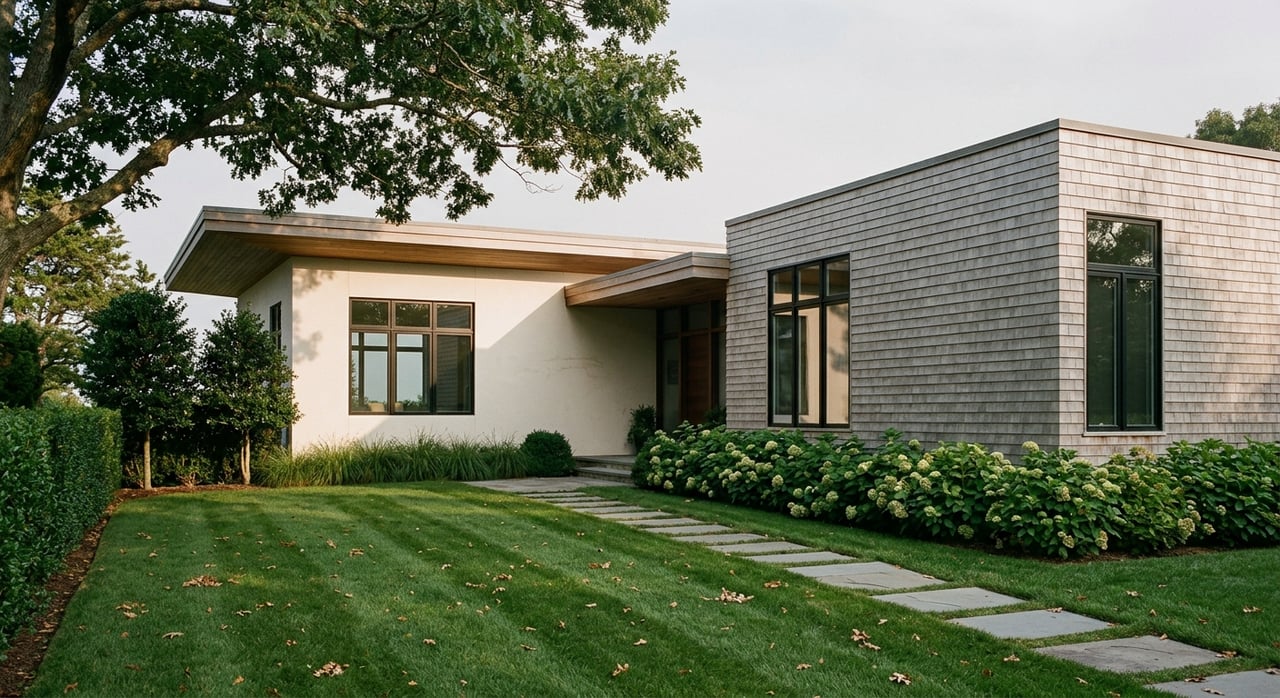
Water Mill Waterfront Homes vs Inland: What Drives Value
May 28, 2026
May 28, 2026
If you are comparing waterfront and inland homes in Water Mill, the price gap can look dramatic at first glance. That is because buyers here are not only paying for square footage and finishes. They are also paying for scarcity, water access, view quality, privacy, and the long-term costs that come with each setting. This guide breaks down the key value drivers so you can compare options more clearly and make a smarter decision in Water Mill. Let’s dive in.
Water Mill is firmly in the luxury to ultra-luxury segment of the Hamptons market. As of March 31, 2026, Zillow showed an average home value of $4,576,621 in Water Mill, up 6.1% year over year, with 50 homes for sale and a median list price of $3,834,083. In the broader Hamptons, Douglas Elliman and Miller Samuel reported a Q4 2025 median sales price of $2,337,500 and a luxury median of $11.4 million.
That context matters because value in Water Mill is shaped by a different set of expectations than in a typical suburban or coastal market. At this level, buyers often weigh location on the lot, privacy, view corridors, and regulated waterfront utility just as heavily as interior design and room count.
Direct waterfront homes usually capture the strongest premium in Water Mill because they combine lifestyle appeal with true scarcity. Buyers are paying for direct water adjacency, the possibility of usable access, and the fact that there are only so many parcels that can offer that experience.
Research cited in the report found that oceanfront properties averaged nearly a 45% premium over comparable non-waterfront homes. It also showed that the premium is strongest right at the shoreline, which helps explain why the spread between direct waterfront and inland homes can be substantial.
A direct waterfront parcel cannot be easily replicated. Even a beautifully built inland home may struggle to match the pricing power of a property with true frontage, especially when the waterfront home also offers open views and strong outdoor living.
In Water Mill, this matters even more because the buyer pool often places a premium on distinctive lifestyle assets. A trophy setting can hold value not just because it is attractive, but because it is hard to replace.
Not all waterfront is equal. A home with direct frontage but limited functional use may trade differently from a property that supports a dock, mooring, or related water use.
The research report notes that the ability to build and use a dock added almost 45% compared with undockable properties in one waterfront valuation study. In Water Mill, that means buyers should treat access rights and permit history as major value drivers, not side details.
Pond-view and near-water homes usually land between direct waterfront and inland homes in value. They can offer much of the visual appeal buyers want, but they do not always deliver the same utility or scarcity as true frontage.
This category can still be highly desirable in Water Mill. The difference is that buyers tend to look more closely at the quality of the view, the level of privacy, and whether there is any credible access component tied to the property.
Broad, unobstructed water views tend to outperform partial or obstructed ones. Coastal valuation research in the report shows that water views add value, but the premium declines as distance from the shoreline increases.
That is why a pond-view home with a strong sightline may behave very differently from a home that only catches a narrow glimpse of water from one room. In this segment, buyers tend to price the quality of the view, not just the presence of water nearby.
A common mistake is to treat all near-water homes as interchangeable. They are not. A home with a beautiful pond view but no meaningful access rights is a different asset from a home with frontage and permitted water use.
For buyers, that means comparing homes by function as well as aesthetics. For sellers, it means the marketing story needs to match what the property can actually offer.
Inland homes in Water Mill usually compete on a different set of strengths. Instead of shoreline utility, they tend to win on acreage, architecture, privacy, and flexibility of use.
That does not make them secondary properties. In many cases, inland homes are compelling precisely because they offer lower shoreline-related exposure while still delivering the scale and design buyers expect in Water Mill.
In the Hamptons luxury segment, privacy is an important buyer preference. Larger setbacks, longer driveways, and less visible street presence can make an inland home especially attractive, particularly for buyers who value quiet and separation over direct water access.
A well-sited inland property may not match the premium of direct waterfront, but it can narrow the gap if it offers a strong sense of retreat. In practice, that effect is highly specific to the parcel and layout.
Inland properties often offer more flexibility in how the site is used. Without the same shoreline constraints, some buyers may find it easier to prioritize amenities, landscaping, or future improvements.
The tradeoff is that inland homes usually do not benefit from the same scarcity-driven pricing power as true waterfront parcels. Their value story tends to depend more on design pedigree, lot size, privacy, and convenience.
When you compare waterfront and inland homes in Water Mill, a few factors tend to explain most of the spread. These are often more important than cosmetic upgrades alone.
Long, protected, unobstructed water views carry more value than limited or interrupted views. Buyers typically pay more for a view that feels permanent and immersive.
If a property can support a dock, mooring, or similar use, that can materially affect value. In Water Mill, Southampton Town Trustee forms cover applications for dock work, dredging, bulkheads, moorings, dock slips, and PWC floats, so buyers should verify approvals and history rather than assume.
Research in the report found that value tends to decline as distance from the coastline increases. In practical terms, being at the waterfront is different from being near it, and being near it is different from simply being in the same hamlet.
A hidden drive, strong setbacks, and a well-buffered lot can support premium pricing, especially for inland and pond-view homes. In a market like Water Mill, the feeling of seclusion often matters.
Water adjacency can increase value, but it can also increase cost. FEMA notes that coastal properties may face storm surge, waves, erosion, and, in Special Flood Hazard Areas, possible flood-insurance requirements for federally backed mortgages.
A waterfront purchase in Water Mill is rarely just about the view. It is also about what you can legally do with the shoreline, what it costs to maintain, and how flood exposure affects ownership over time.
That is why careful due diligence matters so much. A waterfront premium may be justified, but the net value depends on how much of that premium is offset by insurance, maintenance, and resilience-related considerations.
If a property is marketed around water access, dock potential, or shoreline improvements, it is smart to confirm the documentation early. Trustee oversight and local applications for waterfront work show that these features are regulated realities, not assumptions.
This is especially important when comparing two homes that look similar in photos. One may offer true functional access, while the other offers a view without the same utility.
Flood exposure is not a blanket issue with a one-size-fits-all answer. FEMA notes that pricing and insurance can depend on location, flood zone, age, design, and elevation.
That means two nearby properties can carry very different risk and cost profiles. For buyers, this is one of the most important parts of evaluating the real price of waterfront ownership.
If you are buying a second home with rental potential in mind, Southampton Town rules are central to the analysis. According to the Town, a rental permit is required before a home is rented, the minimum stay is 14 days, permits do not transfer to a new owner, and advertising or listing without a permit can lead to violations and possible loss of rental rights for a period of time.
That framework matters because Water Mill does not operate like a short-stay vacation market. The more relevant rental product is longer seasonal leasing, which tends to favor homes with strong lifestyle appeal, such as water views, privacy, pools, and turnkey condition.
Within the local rules, premium waterfront and strong pond-view homes may have an advantage because they offer the kind of experience seasonal renters often seek. But that advantage depends on compliance, permit status, and the overall usability of the property.
In other words, lifestyle appeal can support rental demand, but only if the home fits the Town’s regulatory framework. Buyers should evaluate both together.
The best choice depends on what you value most in ownership. In Water Mill, the right fit is not always the most expensive option. It is the one whose value drivers line up with your priorities.
In Water Mill, the real question is not simply waterfront versus inland. It is which value drivers are durable, functional, and worth paying for. A protected view, usable access, strong privacy, and manageable carrying costs often matter more than a label on a listing.
If you are buying or selling in this market, a careful property-by-property analysis can help you separate emotional appeal from lasting value. For tailored guidance on pricing, positioning, and opportunity in Water Mill and across the East End, connect with Adam Levitt.
Stay up to date on the latest real estate trends.

He navigates the highly dynamic and competitive real estate market to offer luxury home buyers and sellers a seamless and stress-free experience in their endeavor to realize their set out real estate goals.