What Owners Should Know About Water Mill Seasonal Rentals
June 25, 2026
June 25, 2026
If you are thinking about renting out your Water Mill home for the season, timing and preparation matter more than many owners expect. This is not a market where you can simply pick a price, post a listing, and hope for the best. In Water Mill, strong results usually come from matching your home to the right rental tier, preparing for Southampton Town rules early, and understanding what summer tenants are actually looking for. Let’s dive in.
Water Mill sits within Southampton Town’s summer-resort geography, and that shapes how renters view the area. Its appeal is tied to beach access, including Flying Point Beach, along with cultural destinations like the Parrish Art Museum and the Water Mill Museum.
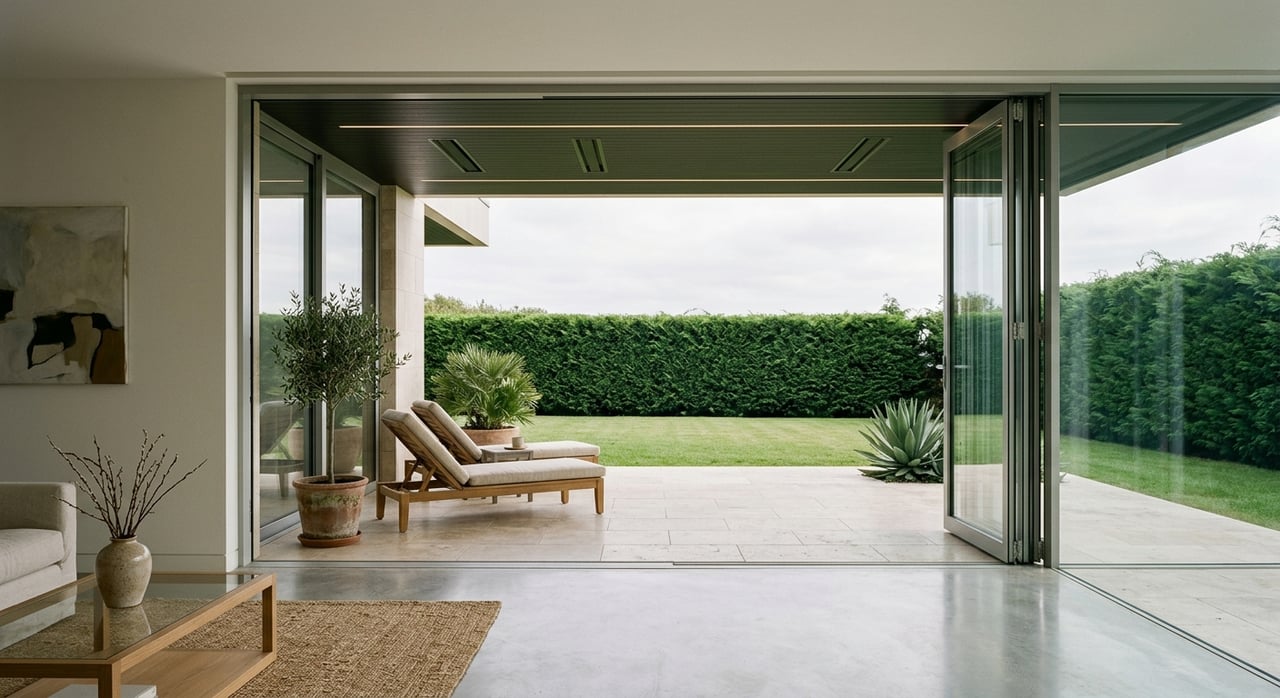
For you as an owner, that means your property is not competing only on square footage or bedroom count. It is also part of a broader Hamptons lifestyle market where outdoor living, convenience, and seasonal experience help drive demand.
The Hamptons rental cycle is highly seasonal and tends to start early. Serious renters often begin looking in February and early March, and the core summer season is generally viewed as Memorial Day through Labor Day.
That early demand window matters because homes that are renovated, well presented, and equipped with sought-after amenities often rent first. If you wait too long to finalize pricing, permits, or readiness, you may miss the strongest part of the market.
Water Mill remains a luxury submarket. Douglas Elliman and Miller Samuel reported a Q4 2025 median sales price of $2.4 million in Water Mill, and current public rental asks in the market range from about $20,000 for short-term use to as high as $750,000 for a full summer on large estates.
That wide range is important. Before you list, you should decide where your property fits based on condition, privacy, scale, and amenities.
A practical way to think about positioning is to group homes into broad market tiers:
These are not formal categories, but they are useful when you evaluate pricing and marketing strategy. A home that is priced like an estate but presented like a standard seasonal rental can sit longer than expected.
Before you think about photography or launch timing, you should evaluate local compliance. In Southampton Town, dwellings may be used seasonally or longer-term, but daily or weekly occupancy is defined as transient occupancy and is prohibited in dwellings.
The town also requires a rental permit before the rental term begins. Permits are valid for two years, and a rental property may only be leased, occupied, or used by one family as defined by town code.
Permit readiness is not just an administrative step. It directly affects when and how your home can be marketed.
Southampton Town can inspect a property unless the owner provides a qualifying architect or engineer certification. It is also a violation for a broker or agent to list or advertise a property without an active rental permit.
For you, the takeaway is simple: permit planning should happen early, well before your target marketing date. If compliance gets delayed, your pricing strategy and exposure window can suffer.
Because Southampton Town ties occupancy rules to the legal use of the dwelling and family-based code provisions, your home’s layout should be reviewed carefully before listing. Bedroom count, sleeping arrangements, and house rules should align with what the property can legally support.
This matters for both compliance and renter fit. A strong seasonal rental is not just attractive on paper. It also has a layout that supports comfortable summer living within the rules.
Public Water Mill listings show clear patterns in what seasonal tenants expect. Common features include furnished interiors, heated or gunite pools, outdoor showers, chef’s kitchens, large yards, privacy, decks, and in some cases tennis or padel.
Listings also often emphasize convenience to Southampton Village, Bridgehampton Main Street, beaches, wineries, village shops, and farm-to-table dining. That lines up with the broader Hamptons pattern, where access to village centers now matters nearly as much as ocean access.
If you are evaluating readiness, pay close attention to features like these:
You do not need every amenity to attract interest. But your rental price should reflect the strength of your home’s actual amenity stack, not an idealized version of it.
Water Mill seasonal rentals are commonly structured around specific summer date windows rather than one flat annual price. Many leases are negotiated as full season from Memorial Day to Labor Day, July to Labor Day, August-only, monthly blocks, or extended seasonal periods.
That means you should think about your pricing by timeframe. A home may perform very differently as an August rental than it would as a full-season offering.
Before you choose a lease structure, consider:
These choices affect not only gross income, but also wear and tear, scheduling, and your flexibility.
In Water Mill, pricing is driven by a mix of location, timing, presentation, and amenities. Key revenue variables include lease length, move-in month, furnishing quality, renovation level, pool and landscape condition, privacy, and proximity to the beach or village.
Public asking examples show how dramatic the spread can be. A renovated three-bedroom with a pool and outdoor shower may ask about $20,000 for short-term use, while a five-bedroom with a chef’s kitchen and heated pool may ask around $150,000 for Memorial Day to Labor Day. Larger new-build or estate properties can ask $225,000 to more than $750,000 for a full summer.
These are asking prices, not closed rents, but they show why careful positioning matters. Small differences in condition or amenities can move a home into a very different pricing bracket.
Gross rent tells only part of the story. Before you list, you should build a realistic seasonal budget that includes both visible and less obvious costs.
Typical line items may include permit compliance, possible inspections, housekeeping and turnover, landscaping, pool service, utilities, and rapid-response maintenance. Southampton Town will not issue a permit if code violations exist, and permits can be suspended or revoked if a property is advertised without an active permit.
Safety preparation should also be treated as an operational requirement. New York State guidance says smoke alarms should be installed on every level, inside each sleeping room, and outside each separate sleeping area, with carbon-monoxide alarms in place and tested regularly.
This is not just about code-minded housekeeping. Safety issues can interrupt occupancy, create avoidable stress, and affect how smoothly your season runs.
Before bringing your Water Mill seasonal rental to market, it helps to work through a clear checklist:
A disciplined review upfront can help you avoid pricing mistakes, compliance issues, and missed demand.
Water Mill can be a rewarding seasonal rental market, but it is also a market where details matter. Owners who tend to do best are usually the ones who prepare early, understand the local rules, and align pricing with the home’s true tier and amenity profile.
If you are evaluating whether to rent this season, or how to position your property more effectively, a data-driven approach can give you a clearer path. For tailored guidance on pricing, positioning, and market strategy in Water Mill and the broader East End, connect with Adam Levitt.
Stay up to date on the latest real estate trends.


He navigates the highly dynamic and competitive real estate market to offer luxury home buyers and sellers a seamless and stress-free experience in their endeavor to realize their set out real estate goals.