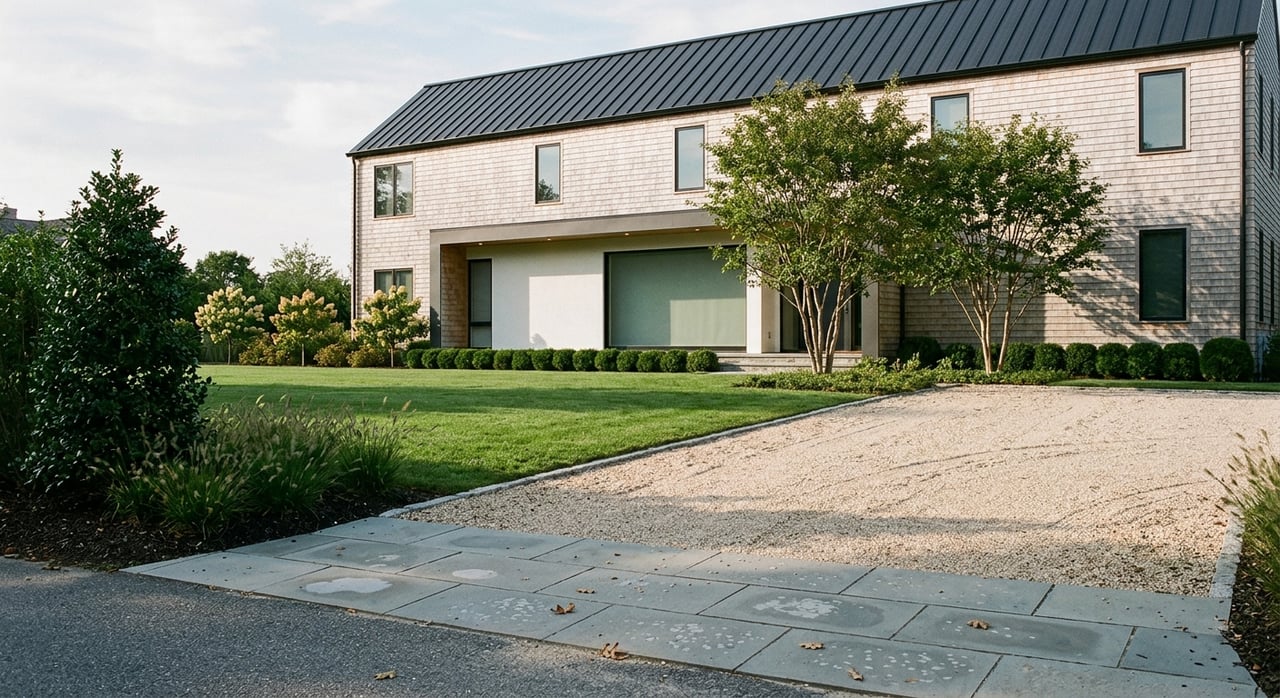
Bridgehampton Ocean vs Village Homes: Which Fits You?
June 18, 2026
June 18, 2026
Wondering whether Bridgehampton’s best fit is near the ocean or closer to the village? That choice can shape your day-to-day lifestyle just as much as the home itself. If you are weighing beach access against walkability, or privacy against convenience, this guide will help you compare the tradeoffs and think about value more clearly. Let’s dive in.
Bridgehampton can mean different things depending on who is defining it. The historic core is a compact stretch of Main Street along Montauk Highway, but buyers and market reports often use the name more broadly to include areas like Mecox, Hay Ground, Scuttle Hole, and even nearby corridors that overlap with Sagaponack or Water Mill.
That matters because an “ocean” home and a “village” home in Bridgehampton can offer very different living experiences. In simple terms, you are usually choosing among three settings: south of Montauk Highway near the beach, the Main Street hamlet core, or inland farm-field corridors with more space and privacy.
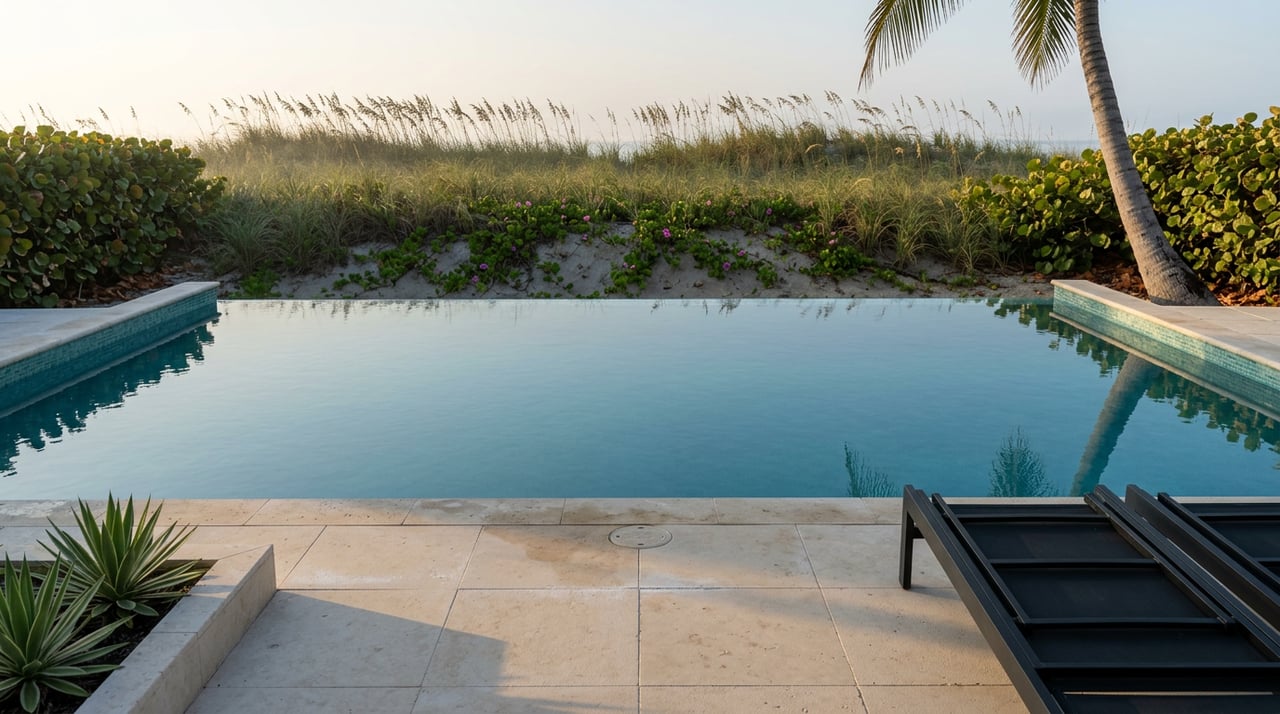
If your ideal Hamptons day starts with sand, surf, and salty air, the ocean side is the natural draw. This part of Bridgehampton is anchored by beach access and a stronger summer rhythm.
Mecox Beach is a Town of Southampton beach with more than 250 feet of ocean shoreline, 111 parking spaces, lifeguards, showers, restrooms, and a concession. Nearby W. Scott Cameron Beach Pavilion offers 300 feet of ocean frontage overlooking Mecox Bay and is residents-only, with full-season permits accepted and no daily parking permits.
For many buyers, that kind of access is the whole point of being here. You are not just buying a house. You are buying proximity to the beach lifestyle that defines this part of the East End.
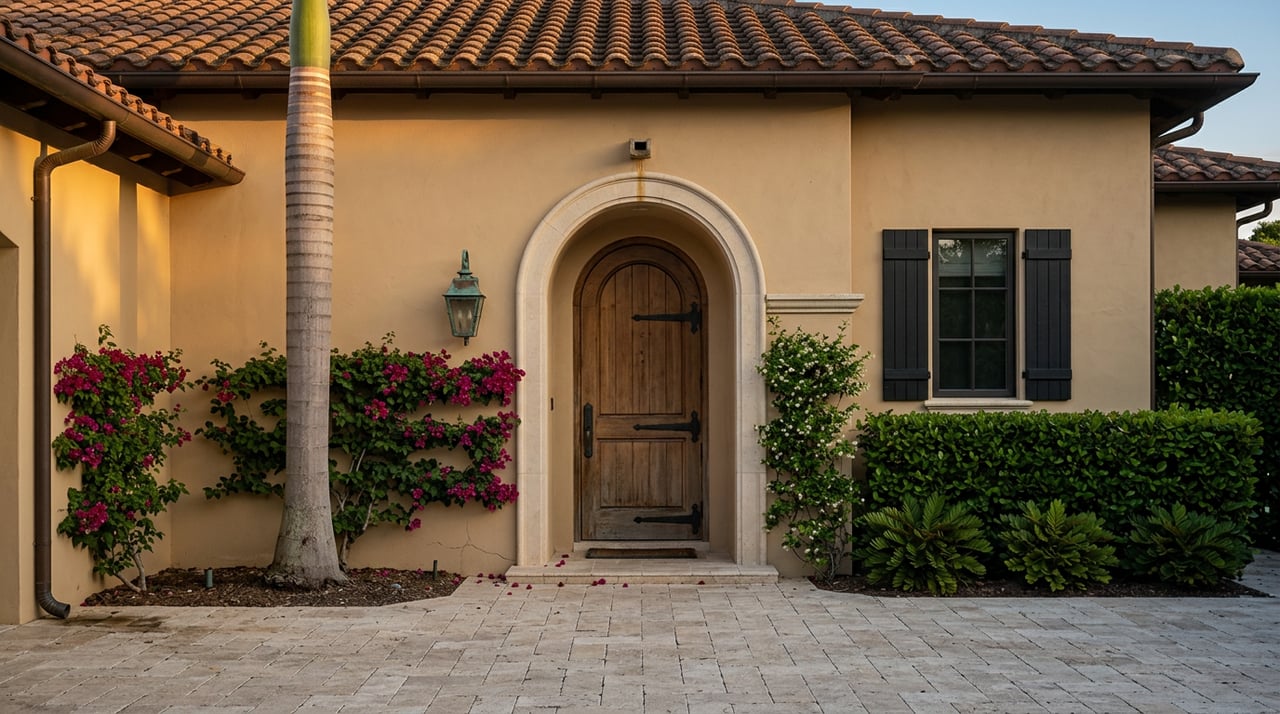
South-of-highway homes often sit within older settlement patterns, especially around Ocean Road. According to Southampton Town heritage materials, this area includes saltbox, Greek Revival, Queen Anne, and smaller gabled houses, along with restored or altered 19th-century homes.
That architectural history gives many ocean-side properties a sense of character and permanence. Even when homes have been updated, the setting often reflects established lots and a long-standing residential fabric rather than a newly created neighborhood pattern.
Ocean-adjacent value tends to be driven by three things:
In a market like Bridgehampton, those factors can support premium pricing, but they can also bring tradeoffs. Seasonal activity, beach parking rules, and heavier summer movement may affect how the area feels depending on the exact location.
If you want a more walkable and convenient daily routine, the Main Street area offers a different kind of appeal. Town design materials describe Bridgehampton’s hamlet core as a place that invites strolling, with a hardware store, deli, restaurants, and the Candy Kitchen helping define the local rhythm.
This is the version of Bridgehampton that feels most connected to everyday ease. Instead of orienting your life around the beach, you may find more value in being able to move through town, enjoy local dining, and stay close to the commercial center.
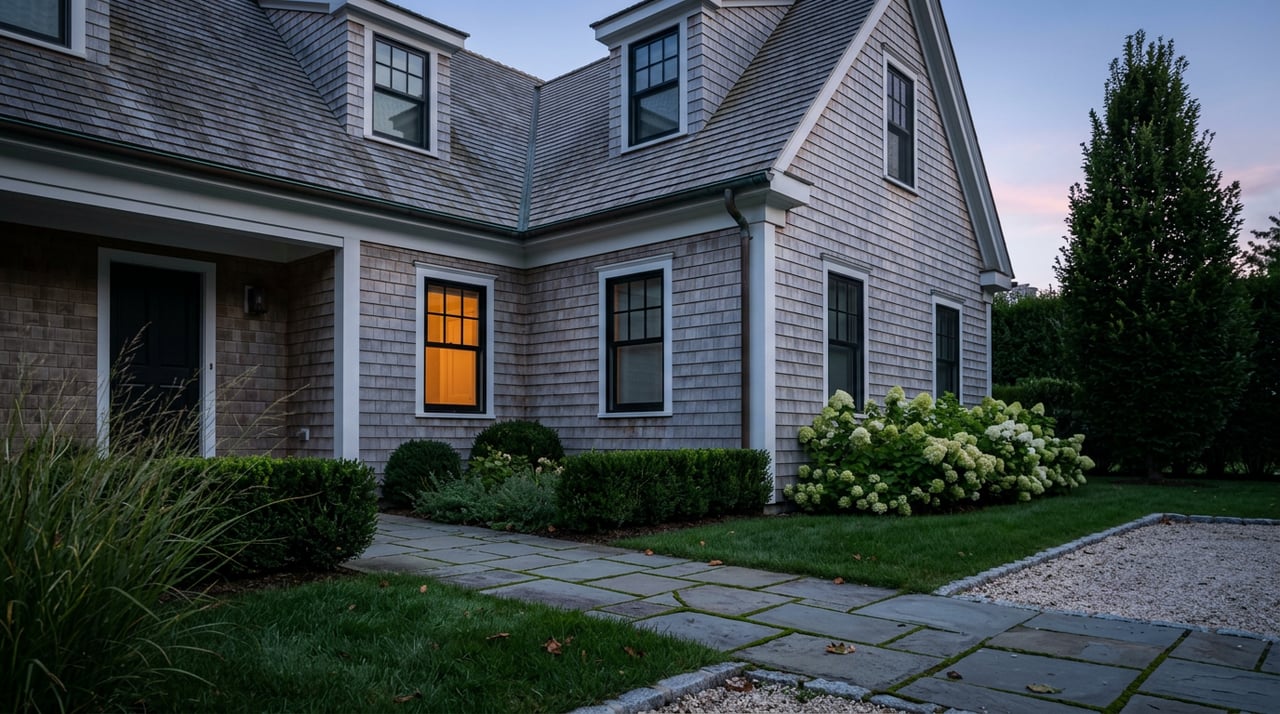
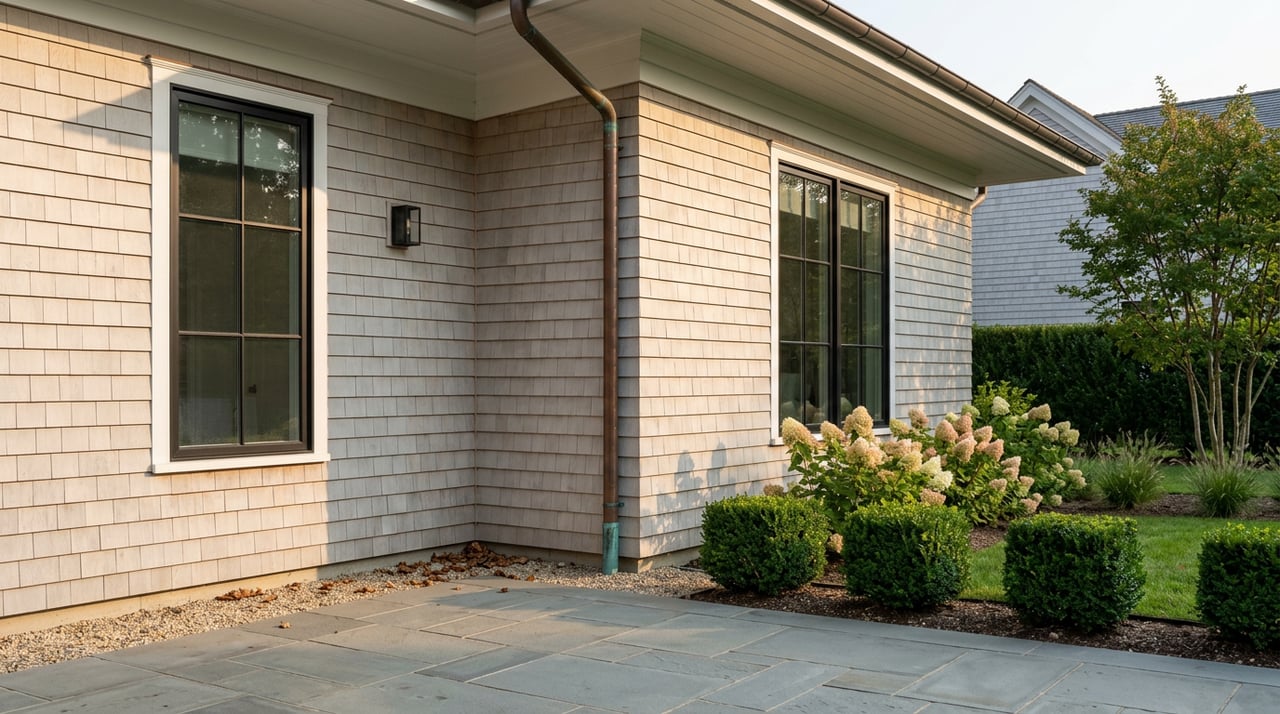
The village core is rich in historic architecture. Southampton Town design guidance describes a mix of Federal, Greek Revival, Victorian, and Classical Revival buildings, often finished in shingle or clapboard, with many structures that evolved from residential to commercial use over time.
The streetscape tends to feel more compact and layered than estate-like. Uniform setbacks and attached or semi-attached structures in some parts of the district contribute to a more traditional hamlet setting.
Village value is usually more connected to:
For some buyers, that makes the village more practical and livable beyond the peak season. It can also appeal to those who want Bridgehampton’s identity and character without making beach access the center of every decision.
Even if you are focused on ocean versus village, inland Bridgehampton is useful as a comparison point. The farm-field and inland corridors reflect the hamlet’s agrarian roots, with references in local heritage documents to potato houses, barns, stables, Hay Ground, and Scuttle Hole.
This part of Bridgehampton is generally associated with larger land footprints, privacy, and pastoral views. In many cases, buyers are trading immediate beach access or walkability for a quieter setting and a more estate-like feel.
That comparison helps sharpen your priorities. If you are looking at an ocean home and wondering whether the premium makes sense, or a village home and questioning lot size, inland properties can reveal what you are really paying for in each setting.
Bridgehampton sits in the upper tier of the Hamptons market, but headline numbers vary depending on the source and time frame. Douglas Elliman’s Q4 2025 report showed a Bridgehampton median sales price of $6.99 million, with 16 sales, 57 listings, and 10.7 months of supply.
Other sources show a similar luxury profile with different results. Realtor.com reported 62 active listings, a median asking price of $7.95 million, a 97 percent sale-to-list ratio, and a median listing duration of 176 days in March 2026, while Zillow placed the average home value at $4.64 million and median list price at $4.40 million as of May 31, 2026. Redfin showed a rolling median sale price of $3.5 million over the three months ending in May 2026.
The spread in those numbers tells you something important. Bridgehampton is a thin, luxury-heavy market where sample size, timing, and property mix can shift the headline quickly.
There is no public block-by-block pricing study that cleanly breaks out ocean homes from village homes in Bridgehampton. Some brokerage reports also group Bridgehampton together with Water Mill and Sagaponack, which can materially change the median.
That is why the best way to discuss value here is directionally. Ocean homes generally trade on beach access and scarcity, village homes trade on walkability and historic character, and inland homes trade on land and privacy.
If your goal is to maximize time near the sand and embrace a stronger summer lifestyle, the ocean side is likely the better fit. You may be paying for access, atmosphere, and a more seasonal kind of prestige.
This option often makes sense when the beach is not just an amenity, but the main reason you are buying in Bridgehampton at all.
If you picture yourself enjoying Main Street, walking to local businesses, and having a more connected day-to-day experience, the hamlet core may offer better lifestyle value. The appeal here is not only visual charm, but usability.
For many buyers, that blend of history and convenience creates a more balanced ownership experience across more of the year.
If you want more land, more privacy, or a more pastoral setting, inland Bridgehampton may deserve serious attention. Even if you still prefer the ocean or village, comparing those options against inland homes can help you decide whether the premium for location aligns with your priorities.
In a nuanced market like Bridgehampton, value is rarely about price alone. It is about matching the property to the way you actually plan to live.
Before you narrow your search, it helps to get specific about your lifestyle and tolerance for seasonal tradeoffs. A few questions can quickly clarify which part of Bridgehampton deserves the most attention.
Ask yourself:
These questions matter because in Bridgehampton, the sub-area often matters more than the ZIP code alone.
If you are comparing Bridgehampton ocean homes with village properties, the right answer usually comes down to how you define value in real life, not just on paper. For a data-driven read on pricing, positioning, and which setting best fits your goals, Adam Levitt can help you evaluate the market with clarity.
Stay up to date on the latest real estate trends.

He navigates the highly dynamic and competitive real estate market to offer luxury home buyers and sellers a seamless and stress-free experience in their endeavor to realize their set out real estate goals.