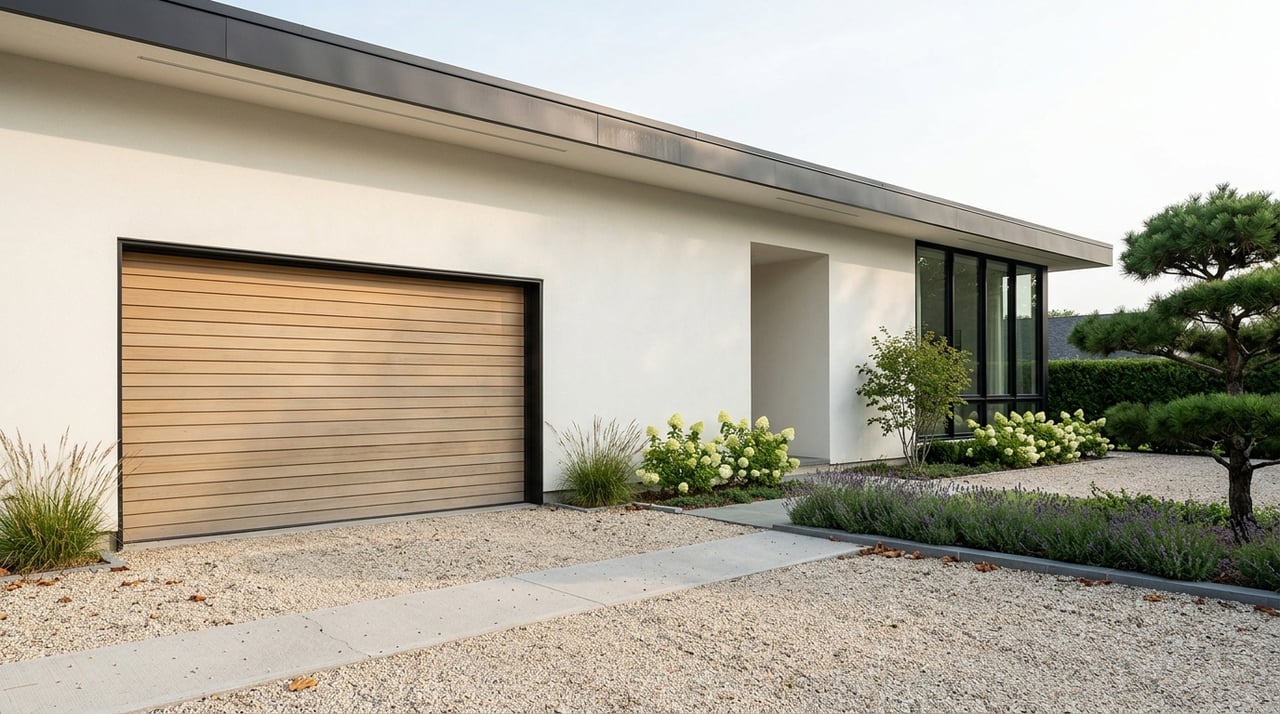
Selling a Southampton Home With the Right Price and Timing
July 2, 2026
July 2, 2026
Are you wondering whether now is the right time to sell your Southampton home, or how to price it without leaving money on the table? In a market where headline prices are rising but local differences still matter, the right strategy can make a major difference in your result. If you are preparing to list in Southampton, understanding how pricing, timing, and property-specific details work together can help you launch with more confidence. Let’s dive in.
Southampton is part of the Hamptons, but it should not be priced as one broad market. Recent reports show strong top-line numbers across the region, yet those numbers are being pushed higher by more high-end transactions.
In Q1 2026, the Hamptons median sales price reached $2,412,500, while the average sales price climbed to $4,257,787. Sales above $5 million made up 21.2% of all deals, which was a record share. That matters because broad averages can make the market look stronger or more uniform than it really is for your specific home.
At the Southampton hamlet level, the Q1 2026 median sales price was $2,625,000 and the average sales price was $5,454,570. That wide gap is a clear sign that a few very expensive sales can distort the average. If you are setting an asking price, the average alone is not enough.
The strongest pricing strategy in Southampton starts with the smallest relevant comp set. That means looking first at recent closed sales in your immediate sub-area and matching homes by style, setting, lot size, and property type.
This is especially important because Southampton contains distinct residential patterns. The Village of Southampton comprehensive plan describes low-density parcels in the Estate Section, generally between the beaches and Hill Street, while medium-density homes appear nearer the village center and north of Hill Street, with higher-density uses north and east of the village center.
In practical terms, an Estate Section property should not be priced the same way as a village-core home. A bayfront property should not rely on inland comps if better matches exist. And an ocean-adjacent home should be measured against similar frontage, orientation, and setting whenever possible.
Regional data is useful for context, but it should not do the heavy lifting when you price your home. Southampton, Water Mill, Sag Harbor, and Sagaponack all sit in very different price bands, which shows how varied the Hamptons market really is.
In the Q1 2026 market table, Southampton posted a median sales price of $2.625 million. Water Mill was $6.3375 million, Sag Harbor was $3.3875 million, and Sagaponack was $15.75 million. Those differences are too large to ignore.
If you rely too heavily on a broad Hamptons headline, you may price too high and lose early momentum, or price too low and miss value. A data-driven pricing plan should start with your immediate market, then zoom out for added perspective.
Median price gets attention, but it is only one part of the story. Before you choose a list price, several other numbers can help you understand how much leverage sellers really have.
In Q4 2025, the broader Hamptons market recorded 470 closed sales, 1,070 listings, 127 days on market, and 6.8 months of supply. Listing discount was 9.4%, which gives sellers a realistic benchmark for how asking prices may compare to final sale prices.
Southampton itself showed 11.5 months of supply in Q1 2026, along with 191 listings and 50 closed sales. That higher supply level suggests that even in a strong pricing environment, buyers may still have options. For sellers, that means precision matters.
Here are the numbers worth tracking closely:
Southampton remains a seasonal resort market, and that affects listing strategy. The Town of Southampton reports a year-round population of about 55,210, and notes that the summer population can swell to twice that number or more. Town police also report that the year-round population of over 60,000 often more than doubles on weekends and during summer.
That seasonal swing matters because buyer traffic tends to rise with the summer influx. At the same time, congestion, competing listings, and scheduling friction can also increase during peak season.
For many sellers, the best approach is to be fully prepared before the summer rush hits. If your home is market-ready early, you may be better positioned to capture attention when seasonal demand starts building.
A rushed listing can cost you more than a delayed one. If exterior work, permit issues, or compliance items are still unfinished, it may make sense to resolve them before going live.
The Town of Southampton Building and Zoning Division handles building permits, certificates of occupancy and compliance, and related review. Town forms for rental-permit processing also require items such as floor plans, surveys, and COs or CCs, which highlights how important documentation can be.
If your property is in Southampton Village, timing can become even more sensitive. The Village Architectural Review & Historic Preservation Board meets at 6:00 PM on the second and fourth Monday of each month, and in the village historic district, external alterations, demolition, and new construction cannot receive a building permit without a Certificate of Appropriateness.
If your home needs approval work, your pricing and launch date should reflect that reality. Buyers in Southampton, especially at higher price points, often expect a clean and well-documented offering.
If permits are unresolved or improvements are incomplete, some buyers may discount their offers to account for uncertainty. Others may simply move on to a home that feels easier to transact.
Before listing, it helps to confirm:
A clean pre-listing file can reduce friction, support value, and make negotiations smoother.
The best pricing strategy is not about chasing the highest regional number. It is about matching your home to the right buyer pool with a price that reflects real market evidence.
For most Southampton sellers, that means following a simple order of operations. Start with micro-market comps, then evaluate seasonal timing, and finally use Hamptons-wide data as background rather than as the main basis for value.
This approach is especially useful in a market where luxury outliers can skew averages. It keeps your pricing grounded in the homes buyers are actually comparing against yours.
If you are thinking about selling, preparation should begin before the listing goes live. A stronger outcome often starts with better data, a sharper comp set, and a realistic timeline.
A thoughtful pre-listing review can help you identify whether your home belongs in an Estate Section comp pool, a village-core comparison set, a waterfront category, or another more specific segment. From there, you can build a pricing strategy around closed sales, current competition, and seasonal launch timing.
In Southampton, details matter. The more tailored your pricing and timing plan is to your exact property, the better positioned you are to enter the market with confidence.
If you want a data-driven review of your Southampton home’s pricing position and timing strategy, Adam Levitt can help you evaluate the numbers, the competition, and the right path to market.
Stay up to date on the latest real estate trends.


He navigates the highly dynamic and competitive real estate market to offer luxury home buyers and sellers a seamless and stress-free experience in their endeavor to realize their set out real estate goals.