Thinking about a Boca Raton waterfront condo in 33432 but unsure how fees, insurance, and resale value stack up? You are not alone. Oceanfront living and Intracoastal access deliver a standout lifestyle, yet they also come with unique costs and rules that affect both your monthly budget and your future exit price. In this guide, you will learn which amenities drive dues, how new laws and insurance trends shape your bottom line, and what to review before you write an offer. Let’s dive in.
What drives value in 33432 waterfront condos
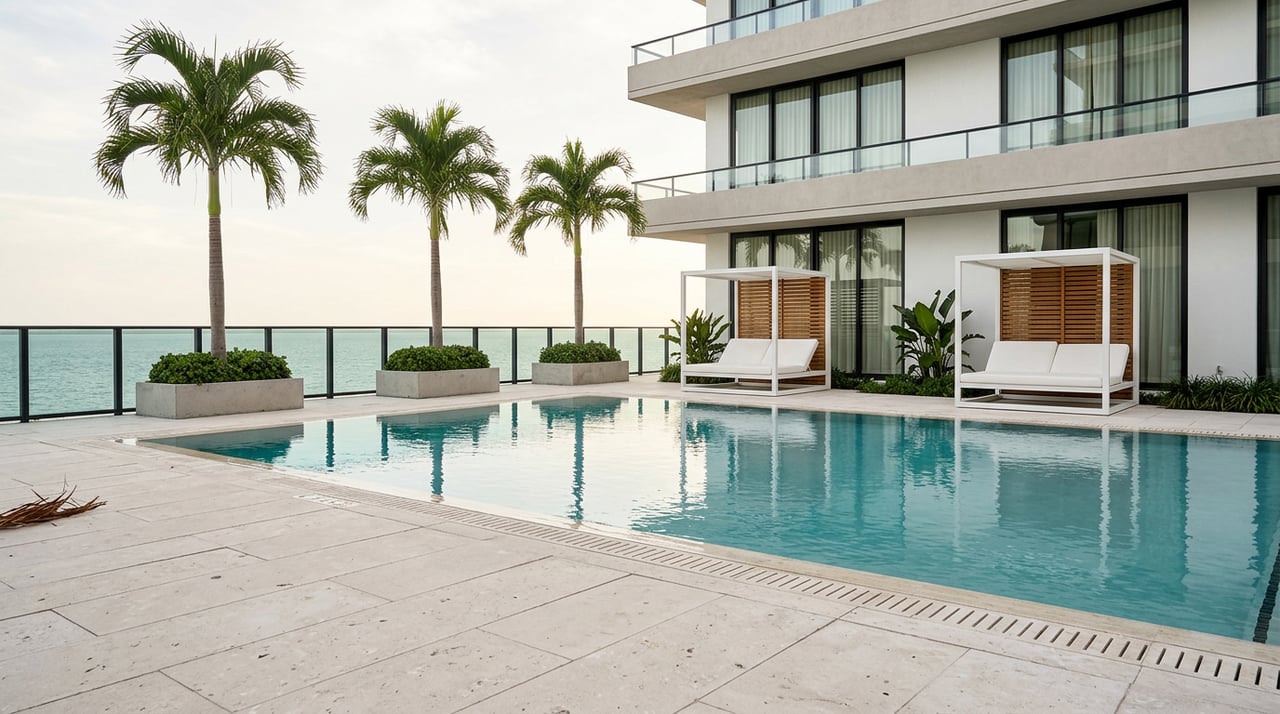
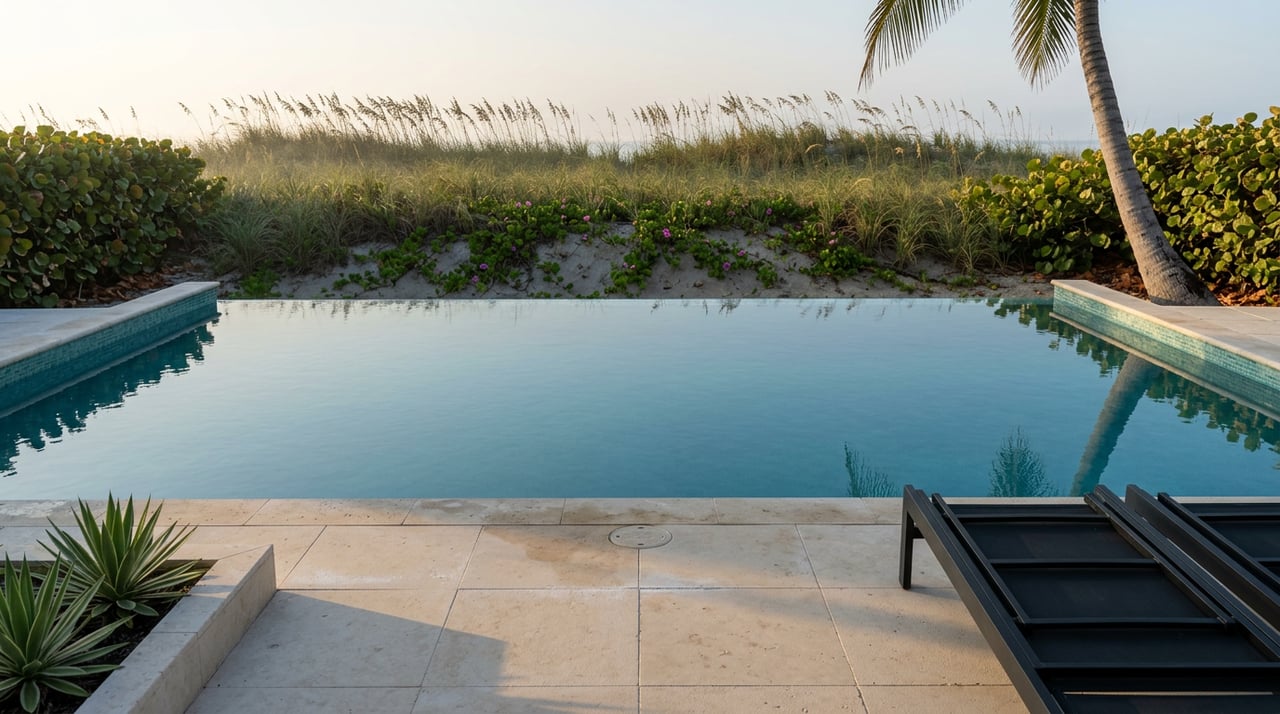
Boca’s 33432 waterfront market spans three core experiences: direct oceanfront towers, Intracoastal-facing buildings with boat access, and high-end downtown residences near Mizner Park. Each segment trades at a premium for different reasons and can carry different monthly costs.
Oceanfront vs Intracoastal vs downtown
- Oceanfront towers command premium prices for direct Atlantic views and private beach access. These buildings often carry higher dues due to beach services, on-site staff, and robust master insurance.
- Intracoastal buildings attract boaters and offer quieter water views. Deeded slips or on-site marinas increase resale appeal and can bring added maintenance and insurance needs for docks and pilings.
- Downtown condos near Mizner Park trade on walkability with select buildings offering water or marina proximity. Newer boutique product often carries resort-style amenities and premium pricing.
Amenities that move price and dues
Some features lift resale value and lifestyle, yet they also increase operating budgets that show up in monthly HOA dues.
- Private beach access and direct oceanfront exposure raise desirability and resale potential. They also increase building operating costs for beach services and coastal maintenance.
- Marina access and deeded boat slips draw boating buyers and can support pricing. They also require capital planning for docks, pilings, bulkheads, and possible dredging.
- On-site staffing, concierge, valet, and covered or underground parking bring convenience and security but add payroll and insurance to the budget.
- Building protections such as impact glazing, waterproofing, and full-building generators reduce owner risk during storms but increase capital reserve needs and insured values.
Real numbers: what buyers saw in 2024–2025
Dues vary widely by building and amenity level. Instead of focusing on an “average,” compare line items building by building.
- High-fee oceanfront example: select oceanfront buildings in 33432 posted dues near the mid-$3,000s per month in 2024–2025 listing snapshots, with top-tier ocean towers posting significantly higher numbers for large units.
- Ultra-luxury, full-service product: some large oceanfront residences reported HOA budgets above $8,000 per month for concierge-level services and amenities during 2024–2025 snapshots.
- Lower-dues examples: older or smaller elevator buildings reported dues closer to low four figures, with illustrative examples around the low $1,000s per month in the same period.
Use these snapshots to frame expectations, then underwrite the specific unit and association you are considering. Your decision should rest on today’s dues, the building’s insurance, reserves, and the likelihood of future assessments.
Insurance, floods, and reserves: the new budget reality
Florida’s updated condo laws and the insurance market have reshaped how you underwrite a waterfront purchase.
- Structural Integrity Reserve Studies (SIRS). For buildings three or more stories tall, associations must complete a SIRS and, for budgets adopted on or after January 1, 2025, reflect required structural reserves in the budget. Review the SIRS and the funding plan before you commit. See the Florida Condominium Act for details on SIRS and reserve rules at the state level through Florida Senate Chapter 718.
- Flood insurance and FEMA Risk Rating 2.0. Flood premiums are now more property specific, especially along the coast. Check the property’s flood zone on the FEMA Flood Map Service Center, then review how Risk Rating 2.0 pricing works in this Congressional Research Service summary. In many cases, you will also price a private-market flood quote for comparison.
- Master insurance pressure. Coastal associations have faced volatile renewal costs and higher wind deductibles in recent years. Expect a conservative approach to budgeting and ask for the current policy declarations and renewal costs. For market context, review industry updates from Amwins on property insurance trends.
- Owner HO-6 and loss assessment. Price your interior policy plus Loss Assessment coverage, which can help cover a share of a master deductible or uncovered loss. For a practical primer, see this overview of Florida home insurance basics.
Financing and warrantability: why it matters
After the Surfside tragedy, lenders and the GSEs tightened condo project reviews. Buildings with significant deferred maintenance, inadequate reserves, unresolved safety orders, or litigation may be labeled non-warrantable, which reduces the pool of buyers who can obtain conventional financing. Ask your lender up front whether the project is eligible under current GSE guidance and what documentation they need. For policy background, review Fannie Mae’s perspective on the future of condo lending.
If a building is non-warrantable, you may need a larger down payment, a portfolio lender, or cash. That dynamic also influences resale liquidity and time on market.
Marina and dredging: what to ask
If boating access is on your wishlist, clarify the slip ownership model and the maintenance plan.
- Deeded vs leased slips. Deeded slips typically add clearer resale value and may be easier to finance than leased arrangements. Verify how slips are treated in the condo documents.
- Dredging and dock replacement. These are intermittently recurring, high-cost projects. Ask for recent dredging invoices, the next planned cycle, and whether reserves cover it. For context on cost variability, see this EPA overview of dredging project considerations.
What HOA fees usually include
Every association is different, so confirm inclusions in writing. In Boca waterfront buildings, dues often cover some or all of the following:
- Master property and liability insurance for common elements
- Water, sewer, basic cable or internet, trash, and common-area utilities
- Management, payroll for front desk/concierge/valet/security
- Landscaping, pool, elevator service, exterior painting, roof maintenance
- Reserves for capital items, including structural and building-safety components
Ask the manager or your agent for a current-year budget and the last year-end financials. Compare per-unit reserve contributions against the SIRS requirements.
Buyer checklist: documents and numbers to collect
Request these items early so you can underwrite with confidence and avoid surprises during loan approval.
- Structural and reserves
- Latest reserve study and SIRS for 3-plus story buildings, with the board’s funding plan. Industry summaries are helpful, like this SIRS explainer from The Falcon Group.
- Insurance and risk
- Current master insurance declarations page and renewal cost, including wind and hurricane deductibles. Market context from Amwins can frame what you see.
- Flood zone confirmation on FEMA’s MSC map and a Risk Rating 2.0 overview via CRS. Obtain NFIP and private flood quotes.
- Owner HO-6 and Loss Assessment quotes using your unit’s specifics. A quick primer: Florida home insurance basics.
- Financial health and governance
- Current operating budget, year-end financials, reserve balances, and 12–24 months of meeting minutes.
- Any milestone inspection reports or safety directives from local authorities.
- Estoppel certificate and association rules. Florida statute addresses estoppel contents and fee caps under Chapter 718.
- Marina specifics (if applicable)
- Slip ownership type, marina agreements, and the dredging plan. EPA’s dredging overview highlights why timing and costs vary.
- Red flags to price in
- Non-warrantable status, significant deferred maintenance, major unfunded SIRS items, insurer nonrenewal, or active litigation. GSE guidance is summarized by Fannie Mae.
For perspective on how special assessments can vary across Florida associations, you can browse industry updates from the South Florida Property Management Association.
Seller checklist: improve speed and price certainty
Buyers and lenders are asking tougher questions. Packaging complete answers helps your condo stand out and keeps your deal on track.
- Provide a SIRS and reserve study summary or a statement of availability in the broker package.
- Share the last two operating budgets, most recent financials, and 12–24 months of board minutes.
- Include the association’s master insurance declarations, claim history, and any recent renewal information.
- Clarify what the HOA covers and any capital contribution or move-in fees a buyer should expect.
- Confirm project eligibility with lenders when possible, and be prepared to answer warrantability questions with documentation.
How to compare two condos side by side
Use a simple, apples-to-apples approach for any short list of finalists.
- Focus on total annual carry. Add HOA dues, owner HO-6, flood premium, property taxes, typical utilities not covered by HOA, and parking or storage fees.
- Review the SIRS and reserve funding plan. A higher due today may be safer if structural reserves are properly funded.
- Check warrantability early. A warrantable project can widen your resale buyer pool and support conventional loan demand.
- In marina buildings, confirm dredging and dock plans. Budget for intermittent but material capital projects.
The bottom line for Boca 33432
Oceanfront views, Intracoastal boating, or a walk-to-dinner downtown address each offer a compelling Boca lifestyle. Your best outcome comes from matching that lifestyle to a clear, data-driven carry cost and a building with strong reserves, stable insurance, and straightforward lender eligibility. When you compare options in this way, you avoid surprises and protect your resale.
If you want a building-by-building cost-of-carry worksheet, lender guidance on warrantability, and a pricing view calibrated to today’s sales, connect with Adam Levitt for a confidential consultation.
FAQs
What do HOA fees usually cover in Boca waterfront condos?
- Common inclusions are master insurance, water and sewer, basic cable or internet, management and payroll for on-site staff, landscaping, pool, elevator service, and reserves. Always confirm the current-year budget and inclusions in writing.
How do Florida’s SIRS rules affect my budget and risk?
- For 3-plus story buildings, SIRS identify structural components and required reserve funding. Budgets adopted on or after Jan 1, 2025 must reflect those reserves, which can raise dues or reduce assessment risk. Review Chapter 718 and the building’s SIRS funding plan.
How can I check flood risk for a Boca condo in 33432?
- Look up the address on FEMA’s Flood Map Service Center, then request NFIP and private flood quotes. Risk Rating 2.0 makes pricing more property specific, so quote the exact unit location and elevation.
What is a warrantable condo and why does it matter for resale?
- A warrantable condo meets GSE project standards for safety, reserves, and governance. Warrantability expands the pool of buyers who can use conventional loans, which supports liquidity and pricing.
Are boat slips better deeded or leased for resale value?
- Deeded slips usually add clearer, transferable value and can be easier to finance. Leased slips can still work for lifestyle, but confirm terms, availability, and association control.
What is an estoppel certificate in a Florida condo sale?
- It is an association document that confirms dues, assessments, fees, and compliance. Florida statute sets required contents and fee caps, and lenders often require it before closing.