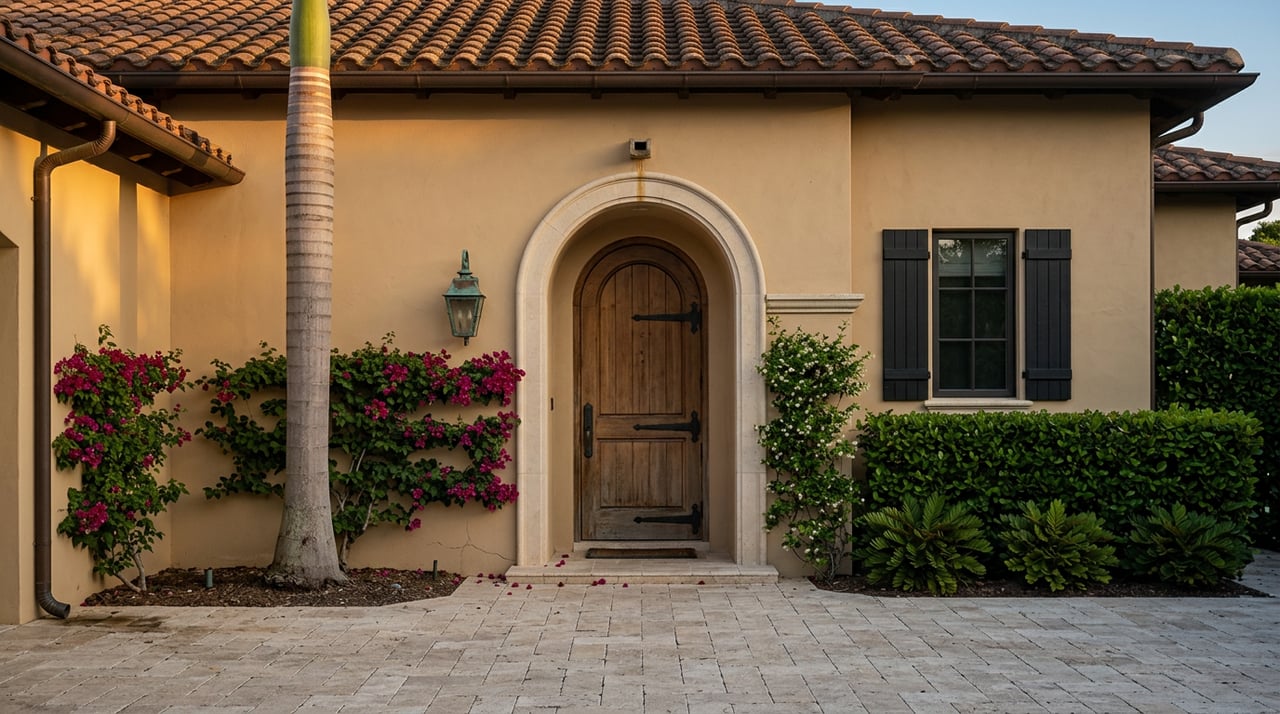
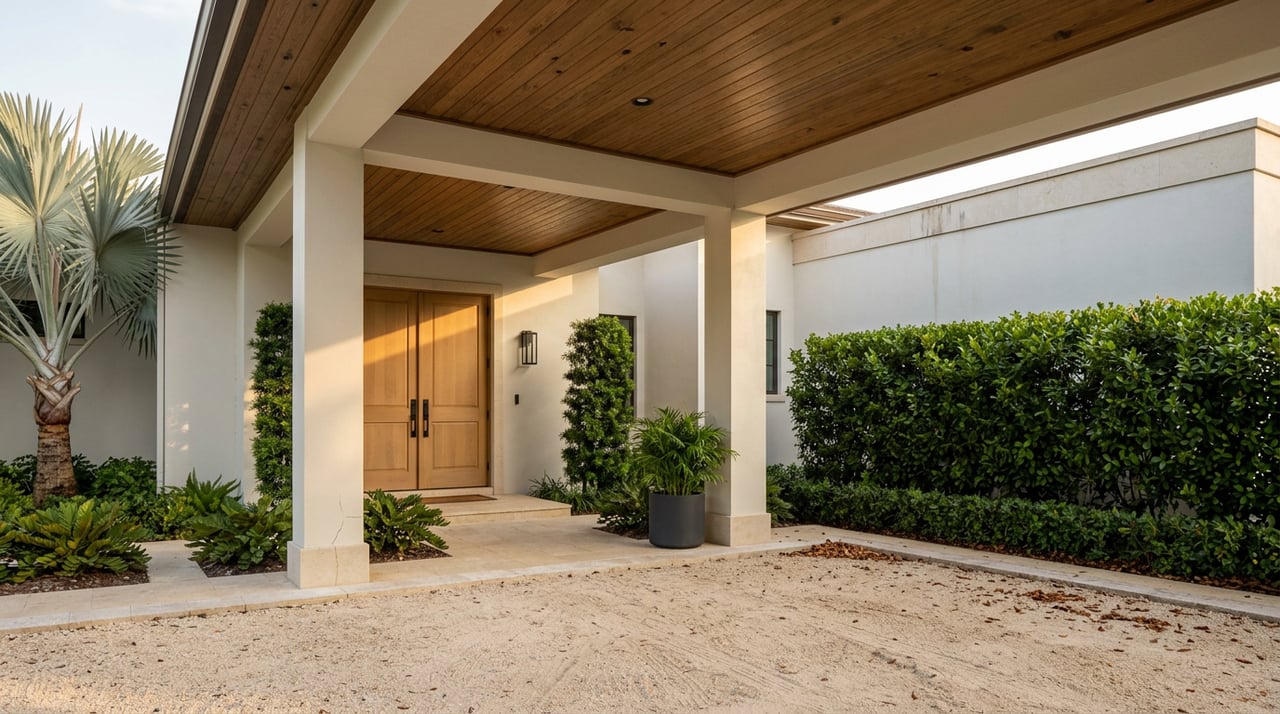
Is your perfect Palm Beach home a sleek oceanfront condo or a private oceanfront estate? If you split time between markets or want a seasonal base, the choice can feel complex. You want the right balance of lifestyle, carrying costs, and long-term value without surprises. In this guide, you will compare the two paths through a clear, practical lens so you can move forward with confidence. Let’s dive in.
Start with how you will use it
Before you compare finishes or views, get clear on daily life. Will you live here year-round or visit seasonally? Do you want a simple lock-and-leave setup or a private compound to customize over time? Your answers shape everything that follows, from insurance and staffing to resale strategy.
- Seasonal owners often prefer condos for low-maintenance living, hotel-like services, and proximity to town.
- Full-time residents often lean toward estates for privacy, land, and the ability to tailor the property.
Condos: services and simplicity
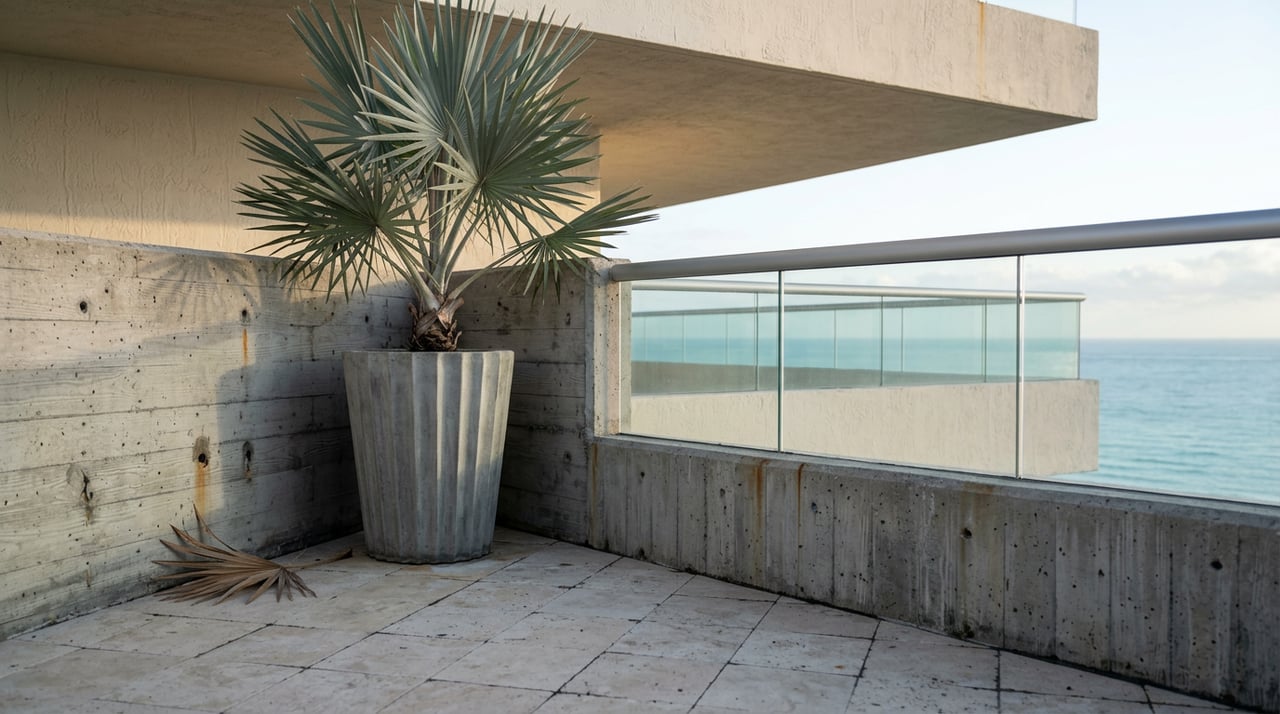
Oceanfront condominiums in Palm Beach often offer staffed lobbies, valet, secure garages, private beach access, fitness centers, and resort-style pools. Many buildings handle exterior maintenance, landscaping, and building security.
Pros for lifestyle:
- Lower day-to-day management, ideal for seasonal living.
- Built-in amenities and a social setting if you want community.
- Often strong walkability when close to shopping and cultural spots.
Cons to weigh:
- Shared walls and common areas reduce privacy.
- Building rules can limit renovations, pets, and peak-season amenity use.
- You must accept association governance and finances as part of ownership.
Estates: privacy and control
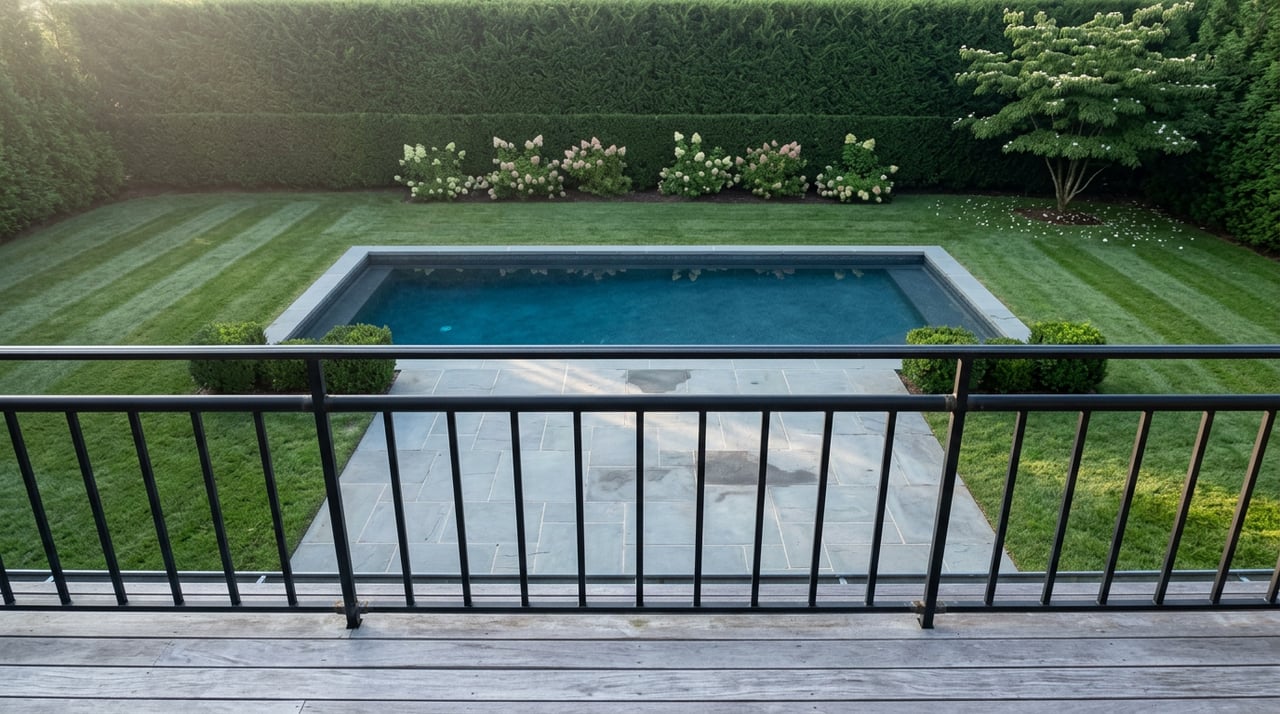
Single-family oceanfront estates deliver private yards, pools, guest houses, multi-car garages, and room for staff or guests. You can add features and redesign spaces, subject to permits and local rules.
Pros for lifestyle:
- Maximum privacy and control over your environment.
- Space for vehicles, hobbies, and bespoke amenities.
- Unique lots and architecture can create enduring appeal.
Cons to weigh:
- Higher operating overhead and active management needs.
- You may need property management support when away.
- Zoning, historic, and design controls can shape renovation timelines.
Cost and insurance reality in coastal Florida
Both property types share coastal risk. You will compare more than just price per square foot.
What drives annual costs:
- Condos: HOA fees, master building insurance, reserves, and potential special assessments. You still carry a condo policy for your unit.
- Estates: Landscaping, pool, roof, HVAC, seawall and grounds, private security, and full homeowners insurance.
- Both: Property taxes, utilities, and personal contents coverage.
Flood and wind considerations:
- Oceanfront addresses sit in coastal flood zones. Review FEMA Flood Insurance Rate Maps and obtain an Elevation Certificate to understand flood risk and insurance needs.
- Building age and construction standards matter for wind and hurricane exposure. Impact glass, strengthened roofs, and protected mechanicals can influence premiums.
- The Florida insurance market can be volatile. Associations carry master policies for common areas, yet owners still need individual coverage. Large building claims can lead to special assessments.
Action items:
- Obtain current quotes for flood and wind coverage. Review wind deductibles, which are often stated as a percent of coverage.
- For condos, review the association’s insurance certificate, coverage limits, exclusions, and reserve strength.
- Confirm whether seawalls or docks fall under owner or association responsibility.
Financing: what changes between condos and estates
Many luxury buyers purchase with cash or use jumbo financing. If you plan to borrow, requirements can differ.
For condos:
- Lenders often require project approval. They review reserves, litigation, owner-occupancy ratios, and building health.
- Some luxury buildings are not lender-friendly or require specific bank partners.
For estates:
- You avoid project approval but still need appraisal, title review, and clean survey work.
Across both:
- Expect stricter standards for second homes, investment properties, and non-U.S. buyers.
- Get pre-approval or proof of funds early, and confirm whether building eligibility affects your options.
Resale and rental rules that matter
Resale dynamics:
- Condos can have broader buyer pools and more frequent transactions, but building-specific issues like low reserves or litigation can depress value.
- Estates attract a narrower pool, yet unique lots and privacy can command strong pricing when the right buyer appears.
Rental potential and restrictions:
- Seasonal rental rates can be attractive if rules allow, but many buildings limit lease terms, investor ratios, or short stays to preserve residential character.
- Municipal rules and licensing can apply, and they change. Confirm current local regulations and the condo documents before underwriting income.
Taxes and assessments:
- Property taxes vary by parcel and assessed value. Review the property’s recent tax history and any reassessment risk.
- Associations may levy special assessments for major repairs such as roofs, elevators, or seawalls. Older buildings with deferred maintenance carry more assessment risk.
- For estates, plan for seawall or dune maintenance where applicable.
Due diligence checklist: condos and estates
Property-level essentials:
- Title and deed review, including easements and beach access rights.
- Flood zone confirmation using FEMA maps and an Elevation Certificate. Ask about past flood claims.
- Full inspections: roof, structure, HVAC, plumbing, electrical, mold, pests, and for estates, drainage and seawall.
Condo-specific items:
- Declaration, bylaws, rules, and recent board minutes.
- Reserve study and budget, insurance certificates, litigation updates.
- Rental policies, owner-occupancy ratios, and owner delinquency rates.
Estate-specific items:
- Current survey and boundary confirmation.
- Seawall condition report if applicable.
- Permitting history and any historic or design review considerations.
Financial and operational:
- Side-by-side carrying cost analysis: HOA dues and assessments for the condo versus staffing, landscape, pool, and private security for the estate.
- Current quotes for homeowners and flood coverage tailored to the property type.
- Lender availability and loan options for your use case.
- If renting, review any registration requirements and realistic net yields after fees and seasonality.
Decision framework for Palm Beach buyers
Use these questions to narrow your choice:
- How will you use the home: primary, seasonal, or mixed use?
- How much privacy do you need compared with convenience and services?
- What is your tolerance for hands-on management and staffing?
- How sensitive are you to hurricane and flood risk and related premiums?
- What is your time horizon for resale and appetite for liquidity versus uniqueness?
- Will financing or building approval constraints affect your path?
Practical examples:
- If you want a turnkey seasonal base near town with services and minimal oversight, a condo often fits best.
- If you plan to host guests often, need space for vehicles, value privacy, and want control over design, an estate can be worth the added management.
Location and local rules to keep in view
Palm Beach within ZIP 33480 is an ultra-luxury oceanfront submarket within the broader West Palm Beach–Boca Raton–Delray Beach area. Walkability and amenity access can vary building by building. For estates, privacy can depend on lot depth, landscaping, and proximity to public beach access points.
Town zoning, historic preservation, and architectural review can influence what you can build or modify. For condos, Florida condominium statutes and building codes govern how associations operate and how capital projects are managed. Verify the current rules that apply to any specific property.
Next steps
- Clarify use and lifestyle priorities, then shortlist either condos or estates.
- Assemble your diligence team early: coastal real estate attorney, insurance broker, lender experienced with Florida condos and jumbo products, and inspectors who know coastal structures and seawalls.
- For condos, obtain the full association package and review reserves, minutes, and insurance. For estates, secure surveys, seawall reports, and permitting history.
- Price total ownership across 3 to 5 years, not just day one.
When you are ready to compare specific properties side by side, reach out for a data-driven plan and confidential guidance across Palm Beach and the Hamptons. Request a Market Valuation or schedule a strategy call with Adam Levitt.
FAQs
What is the biggest lifestyle difference between Palm Beach oceanfront condos and estates?
- Condos emphasize services, security, and ease, while estates emphasize privacy, space, and control over the property environment.
How do HOA fees for oceanfront condos compare with estate maintenance in Palm Beach?
- Condos concentrate costs into HOA dues and possible assessments, while estates shift costs to direct maintenance like landscaping, pool care, security, and seawall upkeep.
What should I review in a Palm Beach condo association before buying?
- Review the declaration and rules, reserve study, budget, insurance certificates, litigation status, meeting minutes, rental policies, owner-occupancy ratios, and delinquency rates.
How does flood insurance work for oceanfront properties in 33480?
- Confirm the FEMA flood zone and obtain an Elevation Certificate to size coverage and pricing, then secure appropriate flood and wind policies based on construction and location.
What financing hurdles are common for luxury condos versus estates?
- Condo financing may require project approval with strict reviews of reserves and litigation, while estates avoid project approval but still need appraisal, clean title, and survey.
Are short-term rentals allowed for Palm Beach oceanfront properties?
- Many buildings and municipalities restrict lease terms or require registration, so you must confirm the current condo bylaws and local rules before planning rental income.