Delray Beach Walkable Condos Near Atlantic Avenue Living
January 1, 2026
January 1, 2026
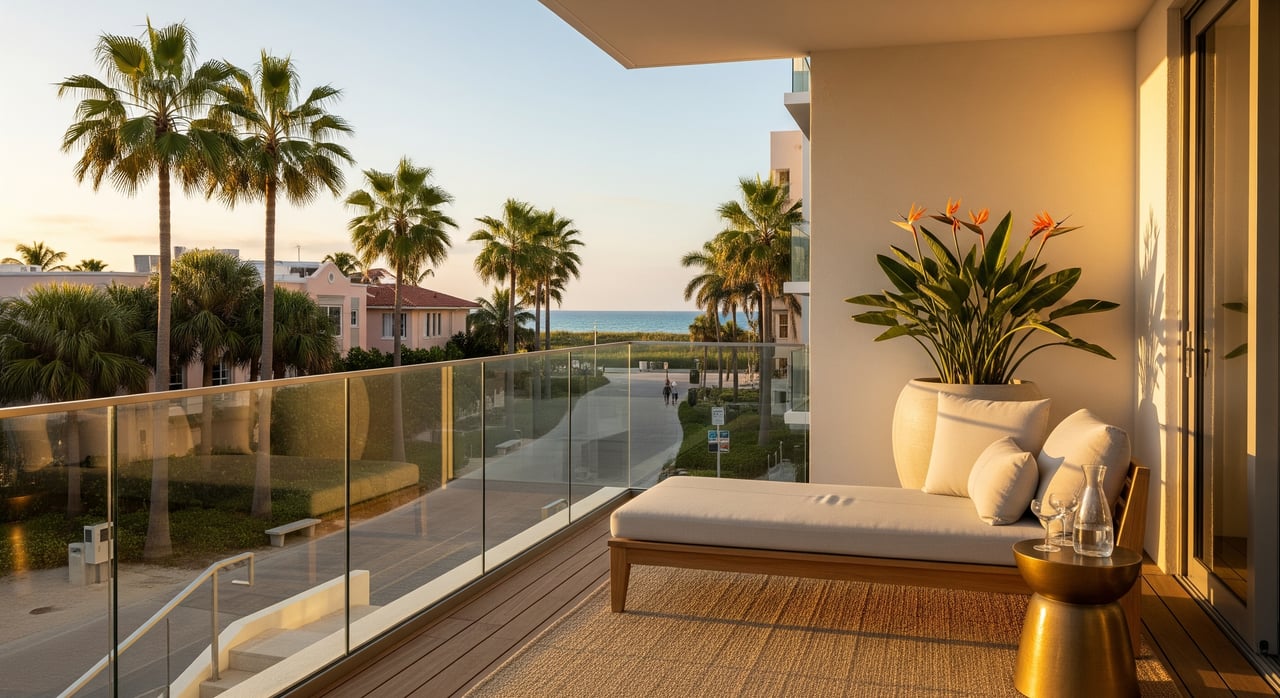
Picture this: morning coffee on your balcony, a five-minute stroll to brunch on Atlantic Avenue, and a sunset walk to the beach. If you want a car-light lifestyle with culture, dining, and the ocean at your doorstep, Downtown Delray Beach delivers. You may be deciding between a seasonal pied-à-terre or a full-time urban base. Either way, it helps to understand the condo options, HOA realities, and practical steps that lead to a confident purchase.
In this guide, you will learn what walkability near Atlantic Avenue truly looks like, the amenities and building types you will see, key HOA documents to review, insurance and flood considerations, and how to search smart from out of state. Let’s dive in.
Atlantic Avenue is Delray’s downtown spine with restaurants, cafés, galleries, and boutiques clustered within a compact, walkable district. The Avenue runs to the ocean, so you can enjoy a connected daily rhythm without long drives. Many buildings marketed as near Atlantic place you within minutes of entertainment, errands, and the beach.
According to local walkability resources, many condos adjacent to the Avenue sit about a 1 to 10 minute walk from dining and shops, and many downtown options are roughly a 10 to 20 minute walk to the public beach. You can explore the broader pedestrian context using the city’s business directory on the Downtown Delray Beach site and Delray’s overall Walk Score overview for a feel of how strollable the area is.
Downtown Delray puts you close to art and seasonal events. Local culture anchors like Old School Square and event programming captured by the Downtown Delray Beach/Main Street calendar keep the sidewalks lively. You can meet friends for dinner, browse galleries, and catch a show without getting in the car.
For out-of-area buyers who travel often, connectivity matters too. The downtown core has quick access to I-95 and Federal Highway, while regional options like Tri-Rail commuter service and Brightline intercity rail link the coastal corridor. When you fly in, Palm Beach International Airport is the closest major airport for many visitors.
You will see a mix of boutique buildings and newer infill mid-rises, typically 2 to 7 stories. Some buildings were converted from earlier structures, and many older properties predate modern hurricane glazing codes, so upgrades like impact windows or shutters vary by building.
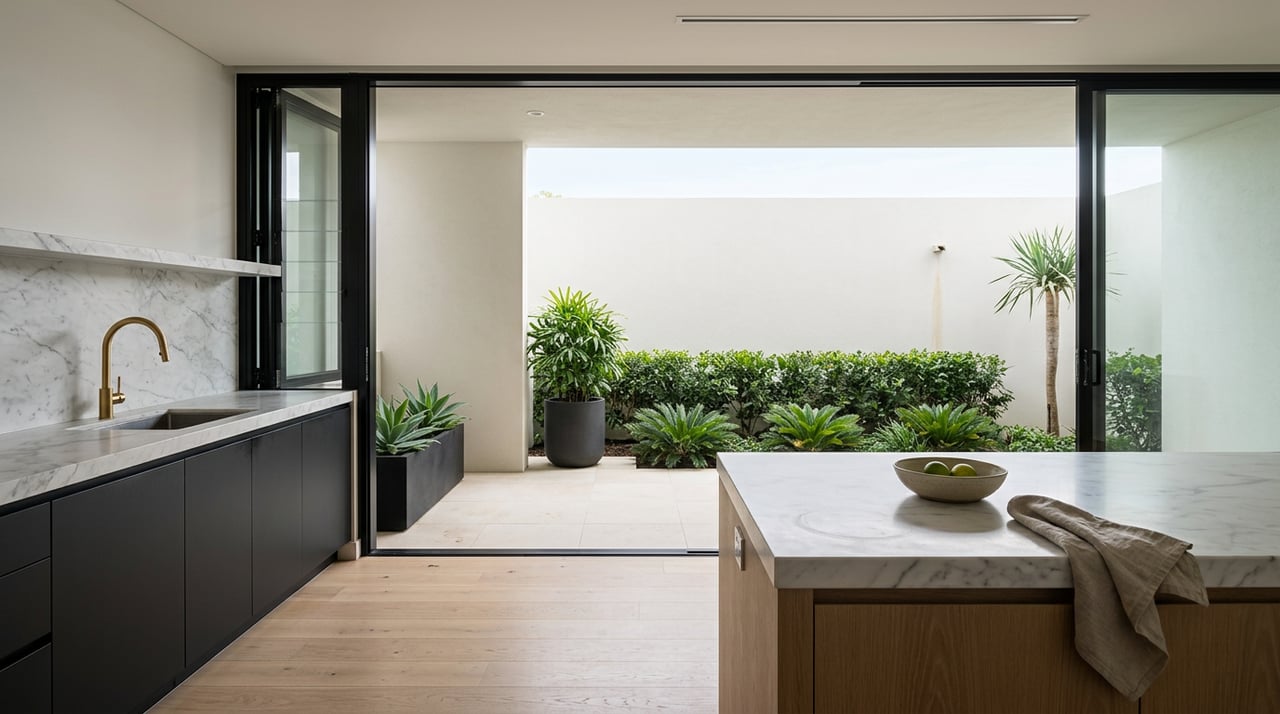
Unit layouts span one-bedroom pied-à-terre residences, larger two- and three-bedroom homes, and occasional townhome or loft-style units. Expect variability in finish: some listings showcase recent renovations with stone counters and updated baths, while others invite a modernization plan. Many units offer balconies or terraces, in-unit laundry or hookups, and deeded or assigned parking. Storage rooms or lockers are common but not universal.
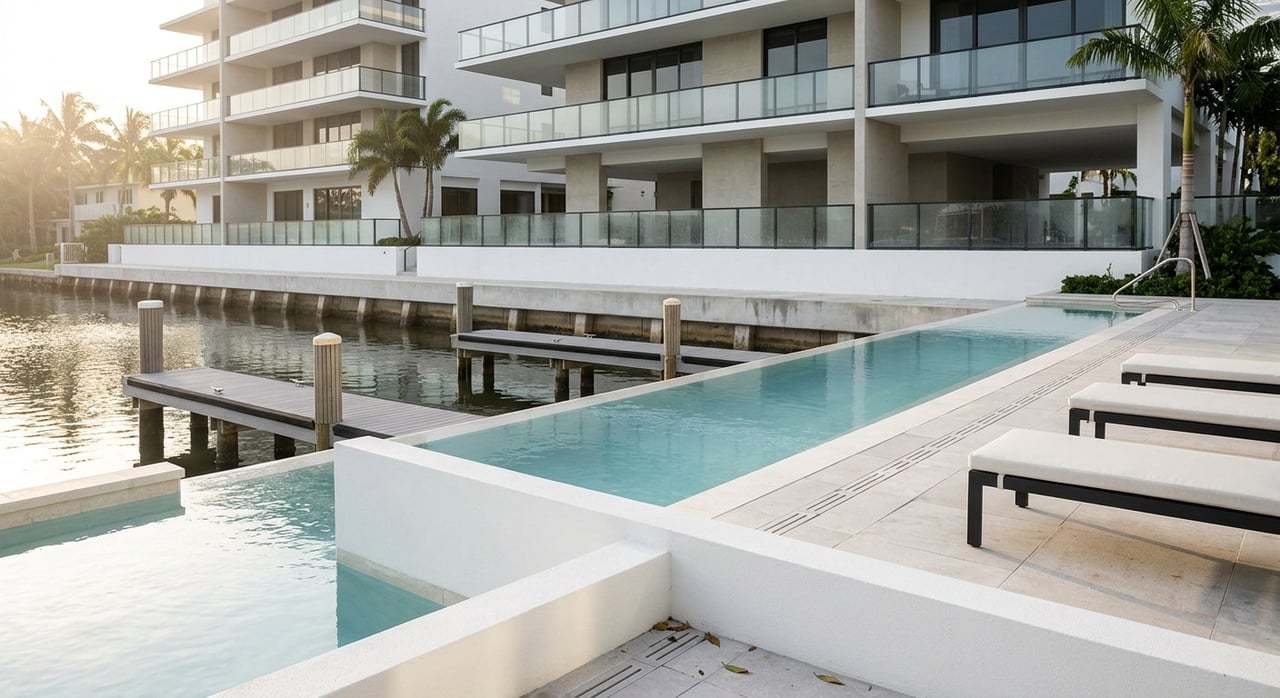
Downtown properties tend to prioritize convenience and secure access over sprawling grounds. Lot sizes are smaller, so you trade large lawns for proximity to parks and the beachfront. Typical amenities include:
Less common but highly desirable features include rooftop terraces, social rooms, on-site management, pet amenities, EV charging stations, and arranged beach services. Boat or valet services are rare within the immediate downtown core.
A strong downtown lifestyle begins with a strong association. Before you write an offer, ask for the core set of HOA documents so you can confirm rules, financial health, and upcoming projects. Florida’s condominium framework offers a clear roadmap. You can reference the statutory background in Florida Statutes Chapter 718.
Key documents to request and review:
Focus on a few themes as you evaluate these materials. First, confirm what your monthly dues actually cover, such as master insurance, common area utilities, reserves, cable or internet, and staffing. Second, assess reserve strength and the capital plan. Older buildings sometimes face roof, exterior, or parking deck projects that can trigger special assessments. Third, understand insurance structure. Associations often carry wind and hazard policies with high deductibles in coastal Florida, which shifts some risk to owners via HO-6 policies. Ask about recent renewals and premium changes.
If you plan to rent seasonally, review both the HOA rules and municipal guidance. Minimum lease terms, number of leases per year, and registration or licensing can vary. The City of Delray Beach is the best source for current local rules that may apply alongside your association’s restrictions. Plan ahead so your revenue assumptions align with the actual allowed rental program.
Coastal living comes with wind and flood considerations. Associations typically handle the master policy for structure and common areas, while you carry a condo owner’s HO-6 policy and, if required, flood insurance. The Florida Office of Insurance Regulation offers context for state insurance dynamics, including wind-only coverage and hurricane deductibles that affect total cost of ownership.
Before you commit, verify the property’s flood status. Use the FEMA Flood Map Service Center to check the Flood Insurance Rate Map panel and zone. Lenders require flood coverage for properties in Special Flood Hazard Areas. Even outside those zones, a coastal address can face residual flood risk, so many buyers choose to carry coverage regardless.
Resilience upgrades can also shape your comfort and risk profile. Ask whether the building has impact-rated windows or shutters, recent roof work, drainage improvements, a generator for critical systems, and a plan for post-storm access and elevator operations.
Downtown parcels are compact. Many buildings include one or more deeded or assigned spaces, which is a major value point. Guest parking can be limited, so expect to use on-street spaces or municipal lots for visitors. If you prefer to go car-light, study walk times and transit options. Regional connections like Tri-Rail and Brightline are useful for day trips, and PBI keeps travel days efficient.
Buyers who are not local can still evaluate buildings with confidence. Start by narrowing your geography to a half-mile to one-mile radius east of I-95 that captures the Atlantic Avenue corridor and the ocean approach. Then filter for condominium property type and a preferred bedroom count. If HOA fees are a priority, set a range that fits your budget.
When a listing interests you, request floor plans, high-resolution photos, and, if available, a 3D tour. Ask specific questions early about parking, storage, and any current or planned special assessments. If you plan to rent, confirm minimum lease periods and any city registration. When you move to contract, include time to review HOA documents and obtain the estoppel letter that verifies dues and assessments.
Remote closings are common in Florida. Confirm notarization options with your title company and consider whether a limited power of attorney makes sense if you will be out of state during key dates.
Seasonal pied-à-terre seeker
Full-time downtown resident
Essentials
Highly desirable
Nice to have
Choosing a walkable condo near Atlantic Avenue means balancing lifestyle with good governance. If you take the time to verify HOA finances, study insurance and flood factors, and understand rental and parking rules, you will feel confident in your decision. The payoff is a downtown routine that blends culture, dining, and the ocean, all within an easy stroll.
If you are ready to explore specific buildings or want a data-driven perspective on HOA strength and value, connect with Adam Levitt for tailored guidance.
Stay up to date on the latest real estate trends.


He navigates the highly dynamic and competitive real estate market to offer luxury home buyers and sellers a seamless and stress-free experience in their endeavor to realize their set out real estate goals.